

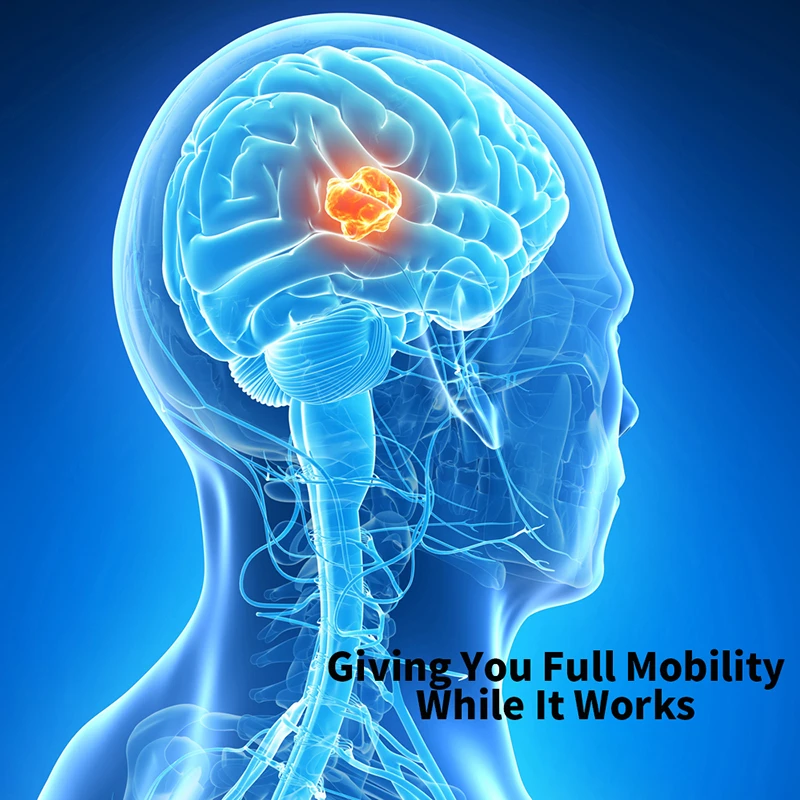
What are the indications of alzheimer’s helmet therapy ?
- Decreased or Poor Judgment
- Misplacing Things and Losing the Ability to Retrace Steps
- Changes in Mood and Personality
- Withdrawal from Work or Social Activities
- Difficulty following or joining a conversation
What’s the technical parameter of the alzheimer’s helmet therapy?
|
Number of diodes: |
320 LEDs [ODM is acceptable] |
|
Wavelength: |
650nm LED [ODM is acceptable] |
|
Frequency: |
1-20,000 Hz can be adjusted |
|
The default frequency setting: |
30Hz–The frequency data is not displayed, but there are buttons available to adjust it. |
|
Duration: |
0-30 minutes adjustable |
|
The intensity of the LED: |
25, 50, 75 or 100% can be adjusted, that is means 4 level can be adjusted |
|
Remote controller: |
wireless remote controller |
|
Total Max. output power : |
16W |
|
Single LED max. output power: |
50mW |
|
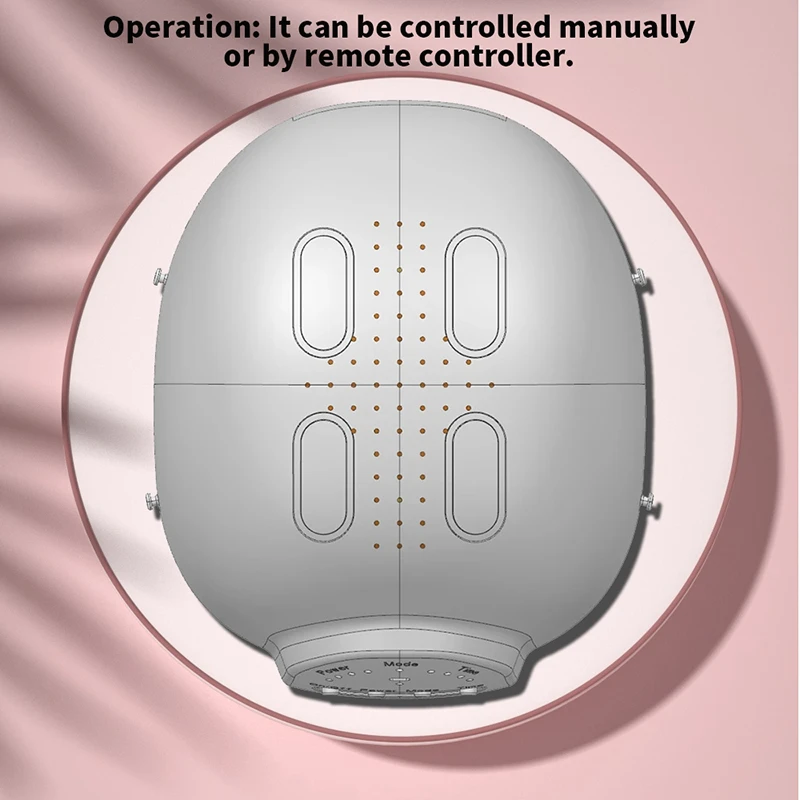
Operation: |
It can be controlled manually or by remote controller |
What are the advantages of alzheimer’s helmet therapy?
1,Number of diodes:320 LEDs
2, Frequency: 1-20,000 Hz can be adjusted
3,Cytochrome C oxidase in mitochondria absorbs near-infrared (NIR) light.
4,Enhanced circulation, boosted energy, neuroprotective effects, and reduced inflammation.
5,Effective for the treatment of stroke, traumatic brain injury, neurodegenerative diseases, and psychiatric disorders.
6,Superior quality at a much more competitive price.
7,Simple to operate, making it suitable for both home and clinical use.
8,Treatment protocols are provided free of charge.
9,Unmatched after-sales support.
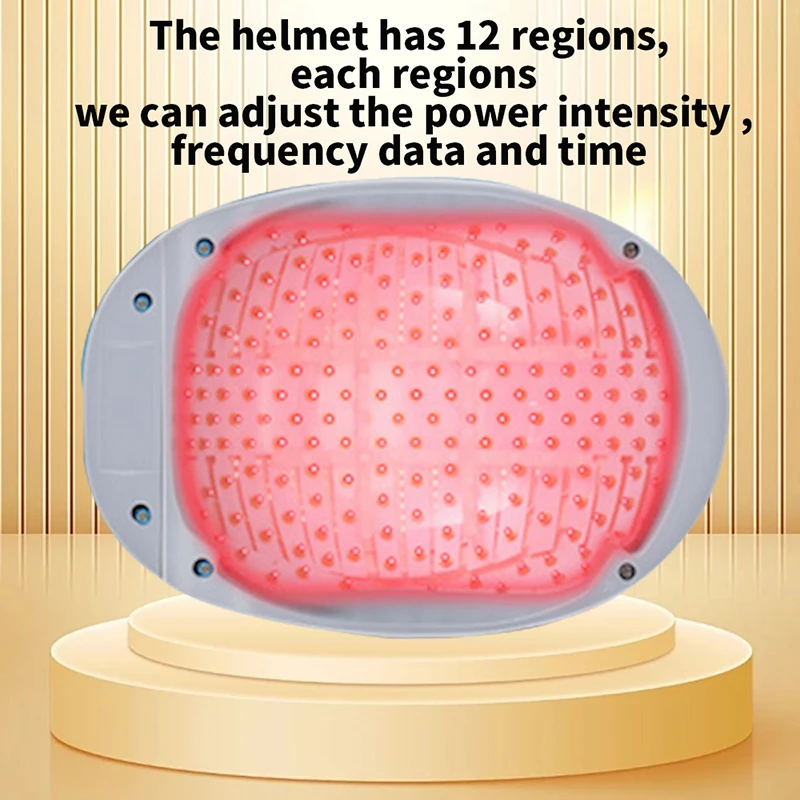
10. Brain Sections: Divided into 12 regions, each with customizable settings for power, frequency, and duration.
11. Enhancements: Comes with nasal and ear laser applicators, improving efficiency through remote control.
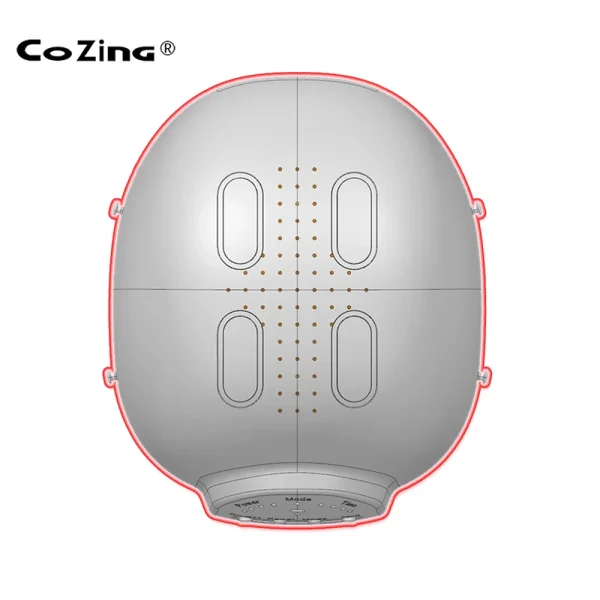
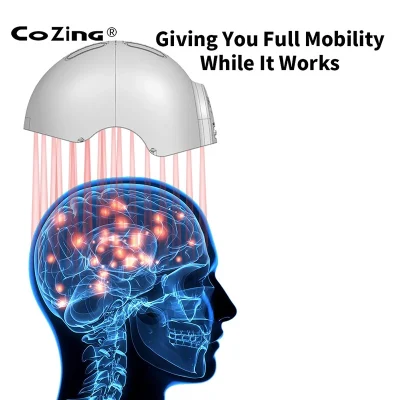
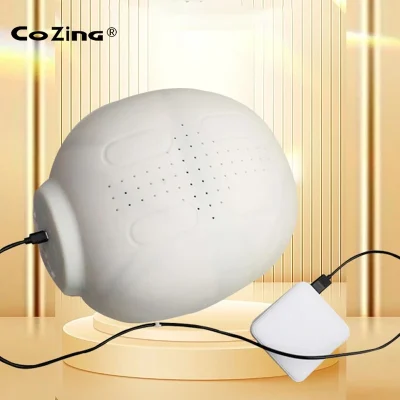
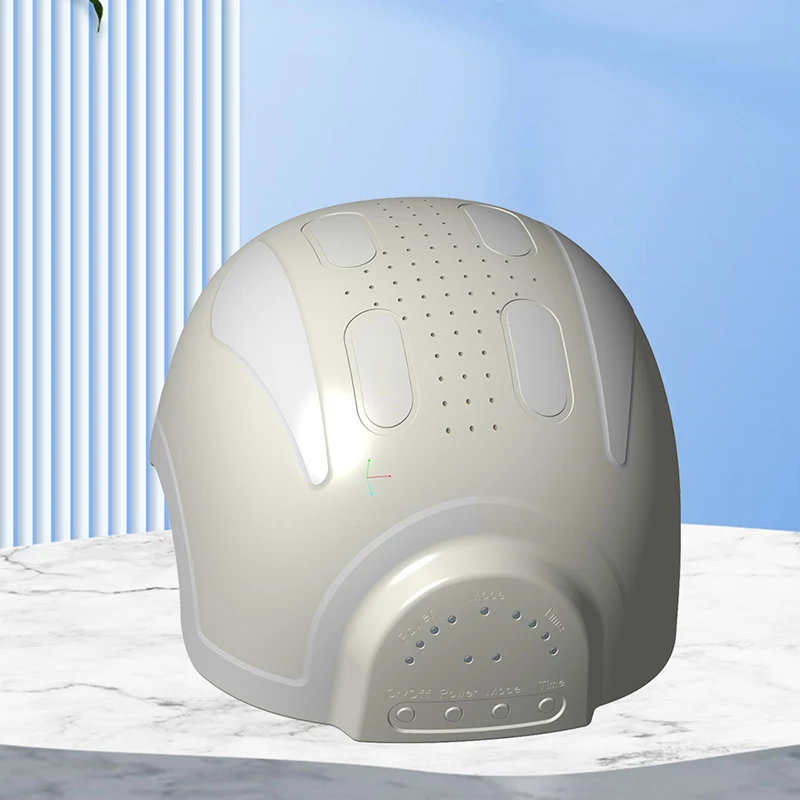
alzheimer’s helmet therapy Display:

How does alzheimer’s helmet therapy work?
Researchers found 670nm photobiomodulation to be neuroprotective against oxidative stress. They also found that PBM stimulated the maturation of neurons.
Vascular dysfunction and micro-hemorrhages, which are associated with Alzheimer’s, can diminish blood flow in the brain. Micro-hemorrhages may indicate breakdowns of the blood-brain barrier, which is considered to be an early marker of cognitive dysfunction.
Normally, brain immune cells called microglia clear beta amyloid proteins from the brain. But when these cells get fired up in response to infection, they stop, causing the proteins to build up even faster.
Another 2017 study shows that red light stimulates the formation of capillaries in the brain and promotes production of nitric oxide (NO), a vasodilator. This increases blood flow to various parts of the brain, including those that have been damaged by Alzheimer’s. Good blood flow throughout the brain gives the microglia (a type of brain cell) a chance to clear amyloid plaques from the brain. Red light alzheimer’s helmet therapy stimulates growth of endothelial cells (part of what makes up capillaries), to bring nutrients and oxygen to brain cells.
COZING-C320A alzheimer’s helmet therapy Clinical study:
Background
Photobiomodulation (PBM) utilizes red and/or near-infrared light from lasers or LEDs to treat a variety of medical conditions. Transcranial PBM, often combined with intranasal PBM, has been explored for its potential to alleviate numerous brain disorders, including dementia.
Objective
The objective of this study was to systematically review pre-clinical and clinical research on PBM relevant to dementia, following PRISMA guidelines.
Methods
A comprehensive literature search was conducted from 1967 to 2020 using keywords related to PBM and dementia. Key data extracted included the light source and wavelengths, output power, irradiance, irradiation duration, fluence or total energy (dose), operation mode (continuous or pulsed), irradiation method and location, number of treatment sessions, and study outcomes.
Results
From an initial pool of 10,473 articles, 36 studies met the inclusion criteria. This included nine in vitro studies, 17 studies using animal models of dementia, and 10 clinical studies involving dementia patients. All studies reported positive outcomes. Clinical studies were limited by small sample sizes, lack of placebo controls in some cases, and only a few utilized objective neuroimaging techniques.
Conclusion
Preliminary findings indicate clinical benefits of PBM with no reported adverse effects and easy application. These promising results warrant larger clinical trials to be conducted promptly.
FAQ