
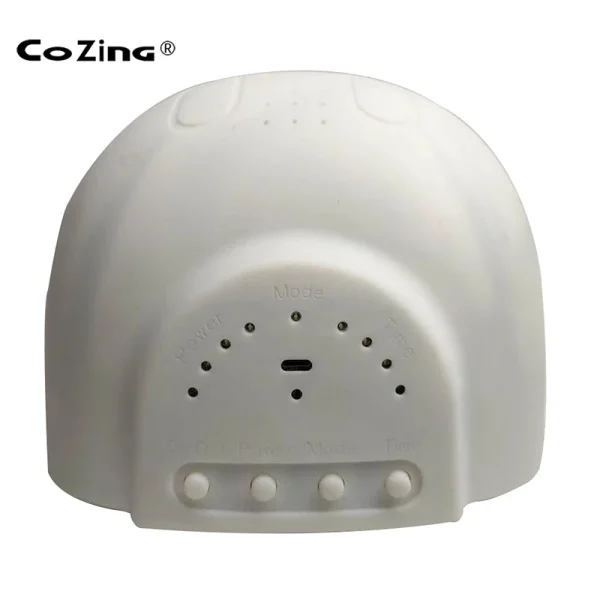
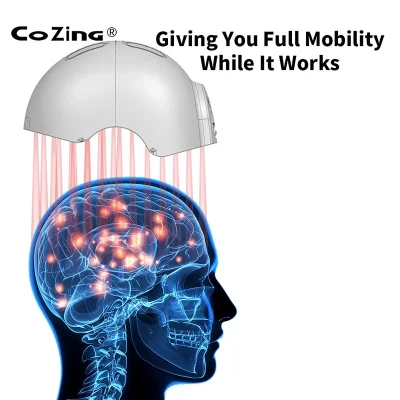
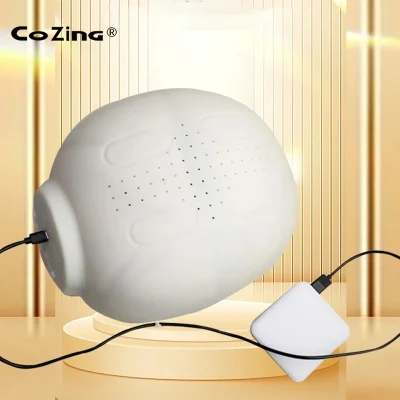
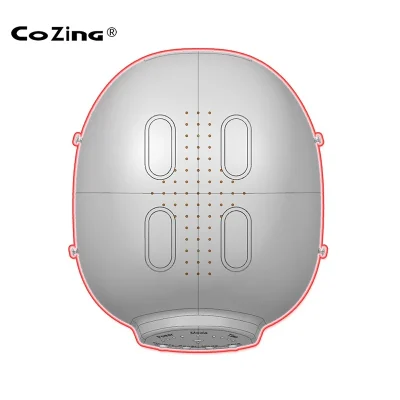
What are the indications of brain light therapy device ?
- Brain trauma, Lyme Disease
- Traumatic brain injury(TBI)
- Hair growth support
- Brain photobiomodulation
- Brainwave modulation
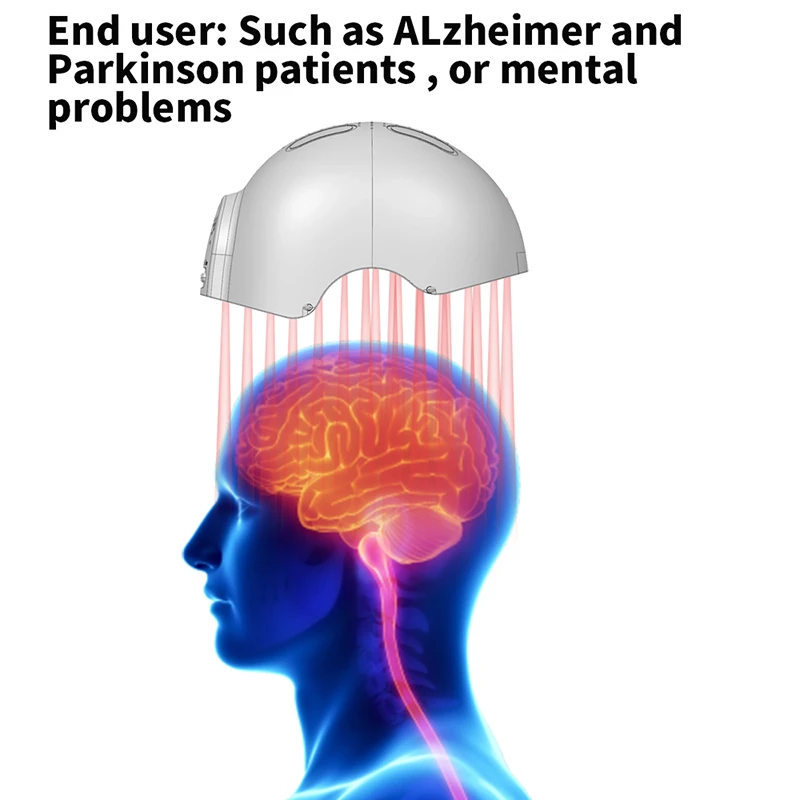
What’s the technical parameter of theCOZING-C320 brain light therapy device?
|
Model name: |
COZING-C320 |
|
Number of diodes: |
320 LEDs [ODM is acceptable] |
|
Wavelength: |
1050nm LED [ODM is acceptable] |
|
Frequency: |
Adjustable from 1-20,000 Hz |
|
The default frequency setting: |
30Hz–the frequency data can not show on the display, but there are some buttons to adjust it. |
|
Duration: |
0-30 minutes adjustable |
|
LED intensity levels: |
adjustable to 25%, 50%, 75%, or 100% |
|
Remote controller: |
wireless remote controller |
|
Total Max. output power : |
16W |
|
Single LED max. output power: |
50mW |
|
Operation: |
can be manual or remote-controlled |
What are the advantages of COZING-C320 brain light therapy device ?
1. 1050nm wavelength
2. Adjustable frequency: 1 to 20,000 Hz
3. Default frequency is 30Hz. This setting isn’t visible on the display but can be altered using buttons.
4. Adjustable session duration: 0 to 30 minutes
5. LED intensity levels: adjustable to 25%, 50%, 75%, or 100%
6. Comes with a wireless remote control
7. Maximum overall output power: 16W
8. LED maximum output: 50mW per LED
9. Operation can be manual or remote-controlled
11. The helmet features 12 zones, each allowing individual adjustments of power intensity, frequency, and time.
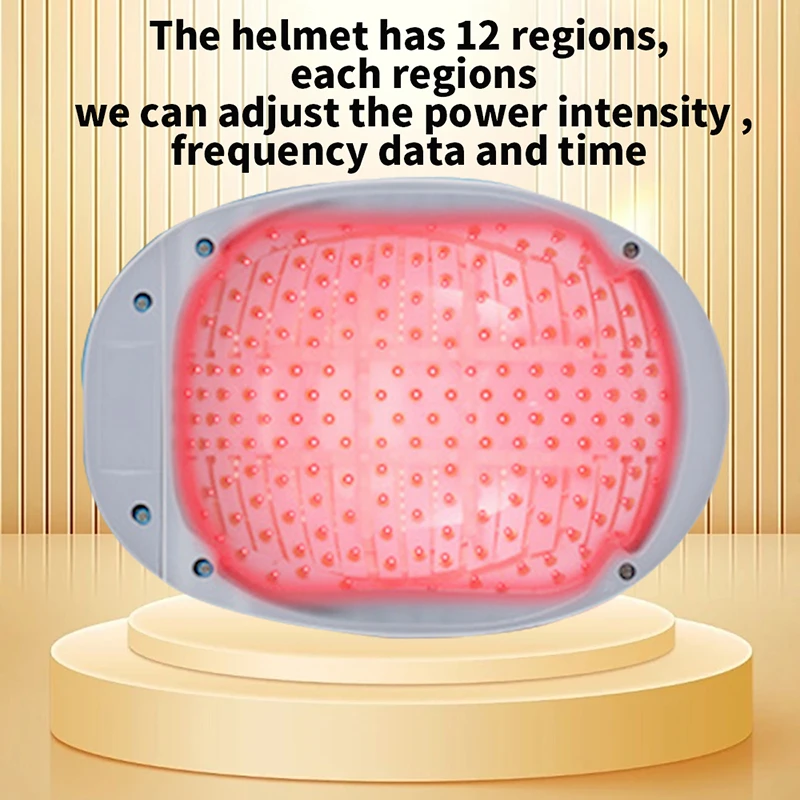
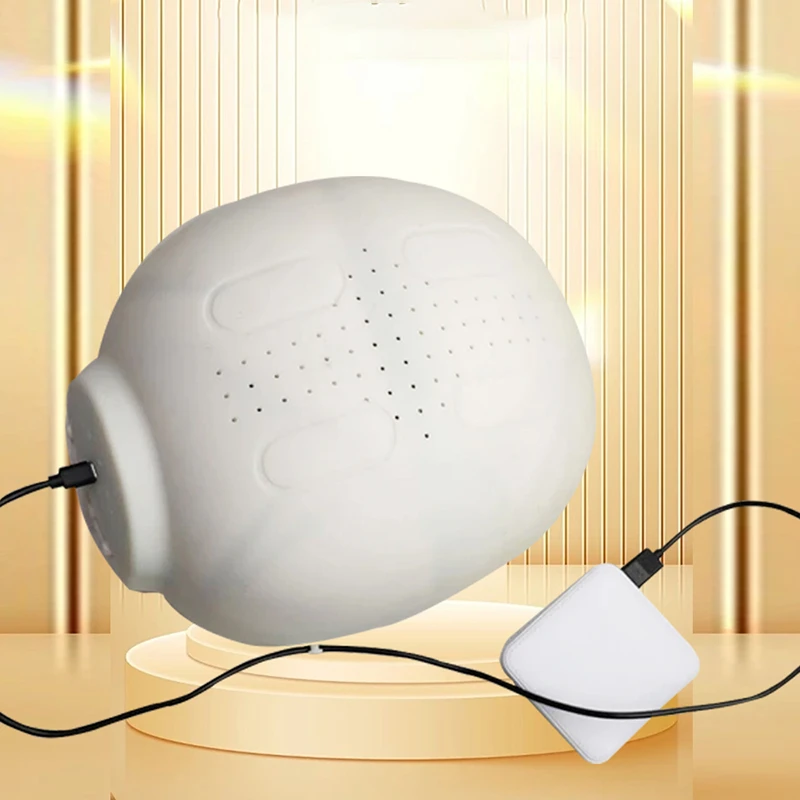
COZING-C320 brain light therapy device Display:
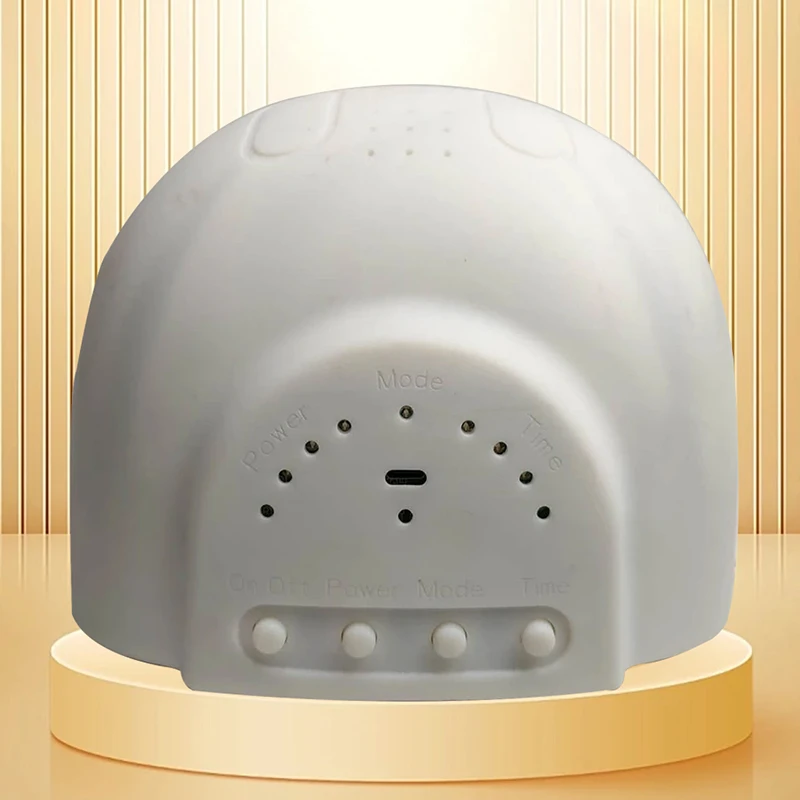
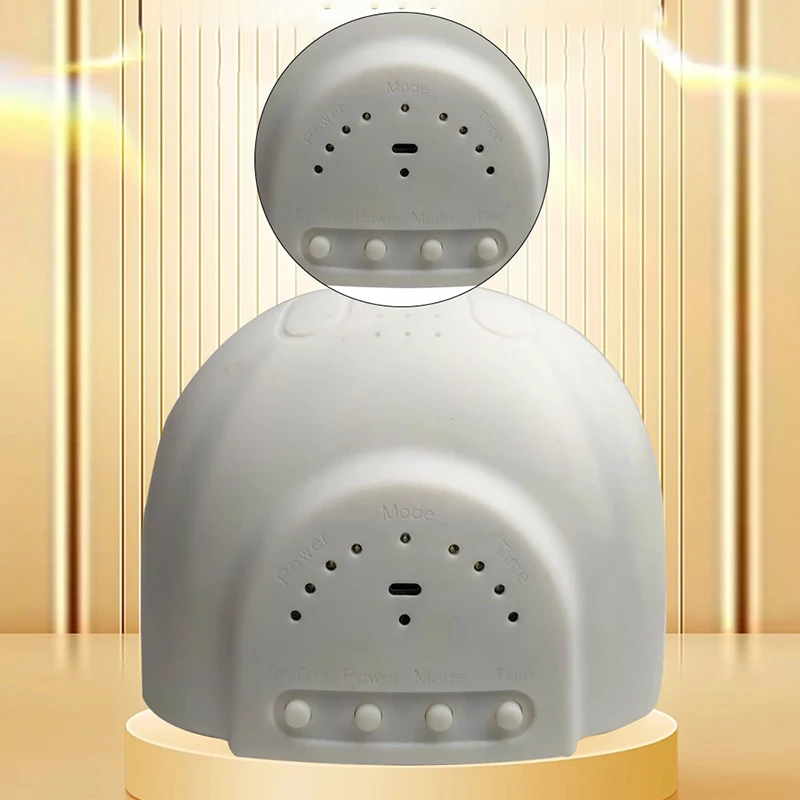
How does COZING-C320 brain light therapy device work?
PBM works by giving energy to your body’s cells. With more energy, active cells can work more efficiently and inactive cells may become active again.Lyme patients may use theCOZING-C320 light therapy helmet device to concentrate on head areas that are sore or fatigued to help increase blood circulation to tissue. Red light therapy is also capable of reducing inflammation in cells, which is important for patients with excessive brain swelling. Other benefits of Infrared and Red Light Therapy may include:
Boosted immune system
Stimulate mitochondrial activity
Promote detoxification and relaxation
Increased energy
Glowing, younger look skin
Alleviate pain and discomfort
Optimized sleep
Patients with Lyme disease may find red light can become a vital component of a self-care routine. Infrared and Red light therapy is encouraged to be used consistently for optimal results.
COZING-C320 brain light therapy device Clinical study:
A randomized clinical trial was conducted with 68 patients suffering from moderate traumatic brain injury (TBI), divided into two groups. One group received low-level laser therapy (LLLT) via a specially designed helmet from COZING, while the control group wore the helmet for the same duration without receiving the treatment. Neuroreactivity was assessed using quantitative magnetic resonance imaging (MRI) metrics, and neurocognitive function was also evaluated.
MRI scans were performed at three stages of recovery: acute (within 72 hours post-injury), early subacute (2-3 weeks), and late subacute (around three months). The helmets used for the study transmitted near-infrared, low-level light therapy (LLLT).
Results
Twenty-eight patients completed at least one LLLT session without any adverse reactions. Researchers found measurable effects of transcranial LLLT on the brain. MRI studies revealed statistically significant differences in the myelin integrity surrounding the neurons in treated patients compared to the control group. These findings support the need for further trials, especially considering the lack of alternative treatments for these patients.
Study Focus and Future Directions
For this initial study, researchers focused on patients with moderate TBI to ensure statistically significant findings, as these patients are more likely to show measurable effects. “It would be much more difficult to see such changes in patients with mild injuries, and in severe cases, the effects of light therapy might be confounded by other severe trauma-related comorbidities,” Gupta added.
He also mentioned that researchers are still in the early stages of developing this therapy. It is unclear if it could be applied to other types of brain injury, such as chronic traumatic encephalopathy (CTE), a progressive degenerative disease associated with repetitive brain trauma, particularly in athletes like football players.
Implications for Photomedicine
This study suggests numerous possibilities for the broader application of photomedicine. “Transcranial LED therapy is a promising research area with potential to help treat various brain disorders where current therapies are limited,” said Margaret Naeser, a prominent photomedicine researcher and research professor of Neurology at Boston University School of Medicine.
FAQ