
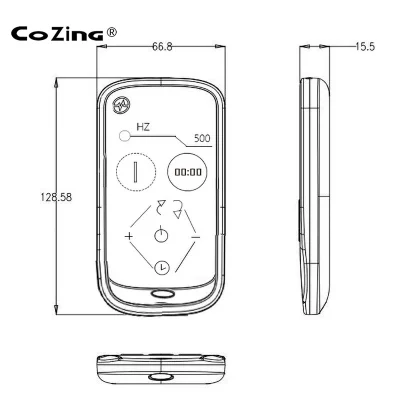
What are the indications of electrotherapy for anxiety device?
- Trouble initiating sleep
- Feeling unrefreshed upon waking
- Experiencing daytime tiredness or a strong urge to nap
- Irritability, low mood, or heightened anxiety
- Challenges with concentration and memory retrieval
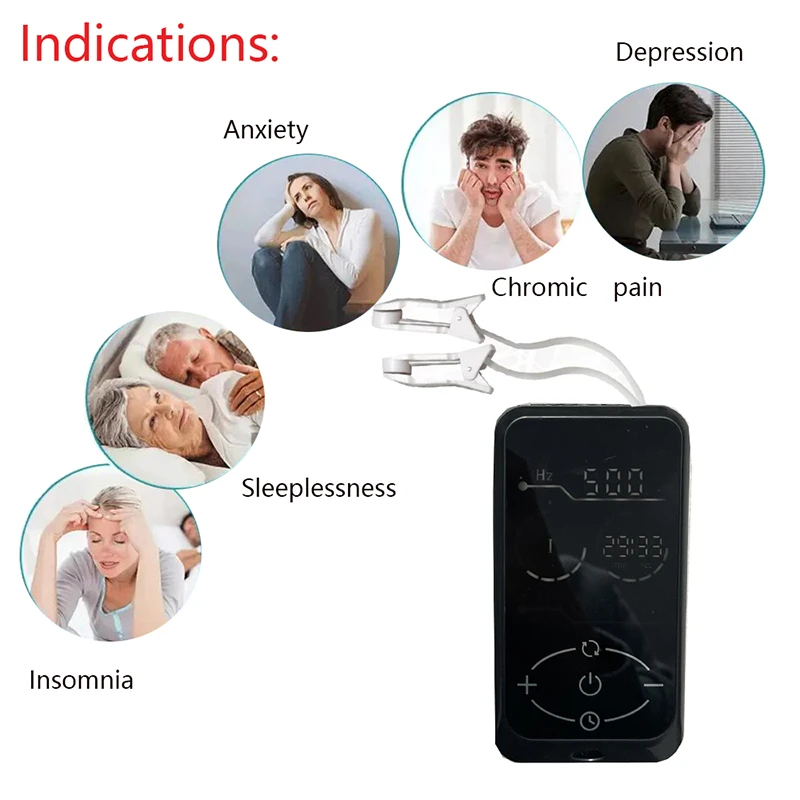
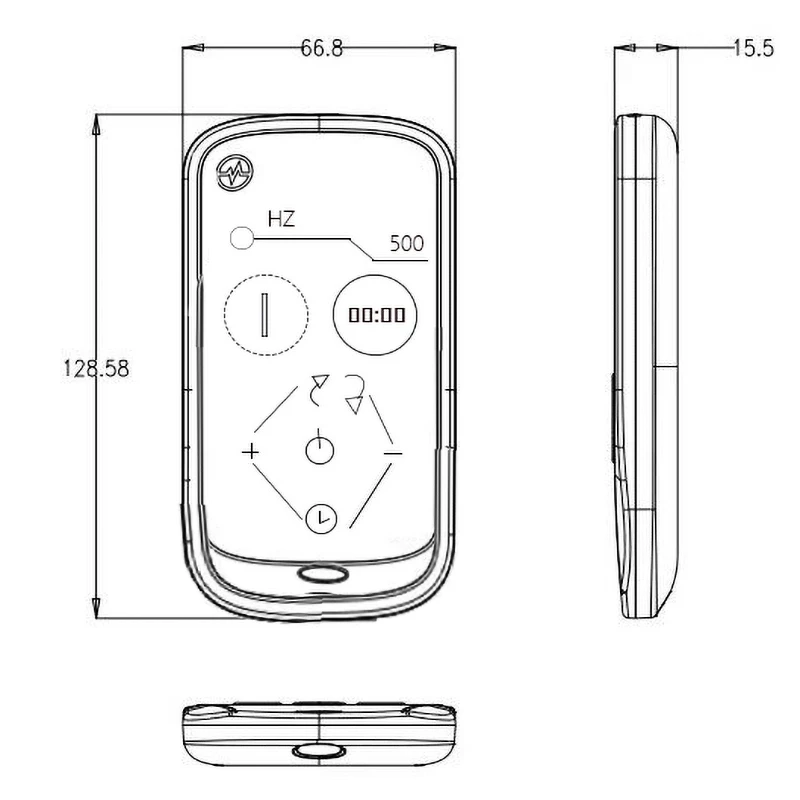
What’s the technical parameter of the COZING-IN02 electrotherapy for anxiety?
|
Model Number: |
COZING-IN02 |
|
Laser Wavelength: |
650nm±20nm |
|
Pulse repetition frequcncy: |
1Hz-999Hz |
|
Battery capacity : |
800mAh |
|
Built-in lithiun battery voltage: |
3.7 -4.2V |
|
Timer |
1-60mins as the options |
What are the advantages of cranial electrotherapy stimulation device?
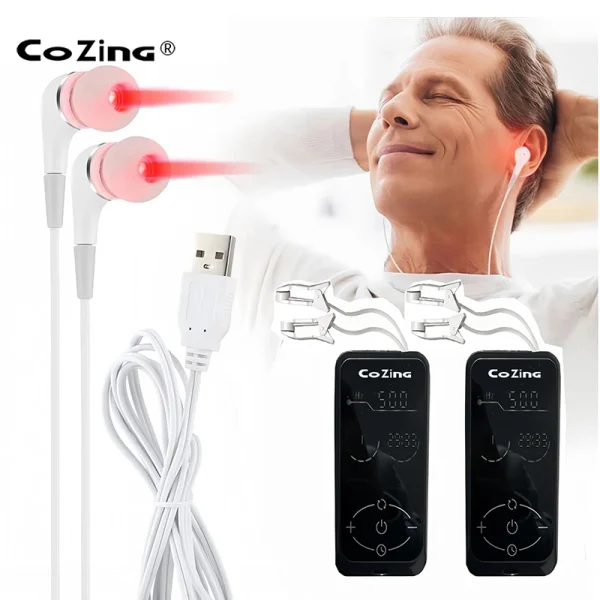
① The frequency can be customized,1-999Hz as the options
②Lock Function: when the program is set, we lock the device to avoid the other stuff touch the display.
③ Touchscreen
④ Intensity: 10 levels options.
⑤Timer setting:10 levels as the options.
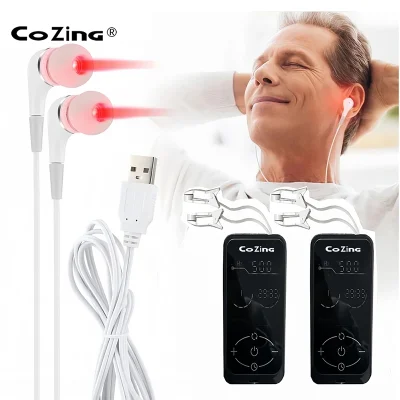
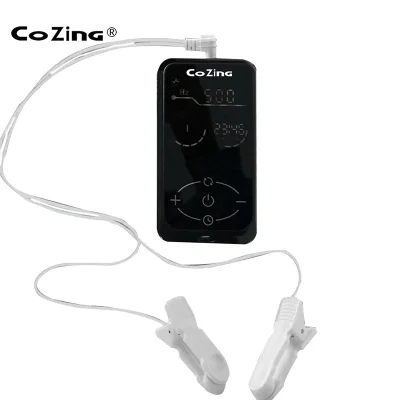
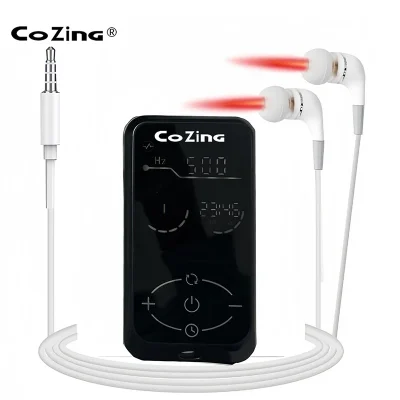
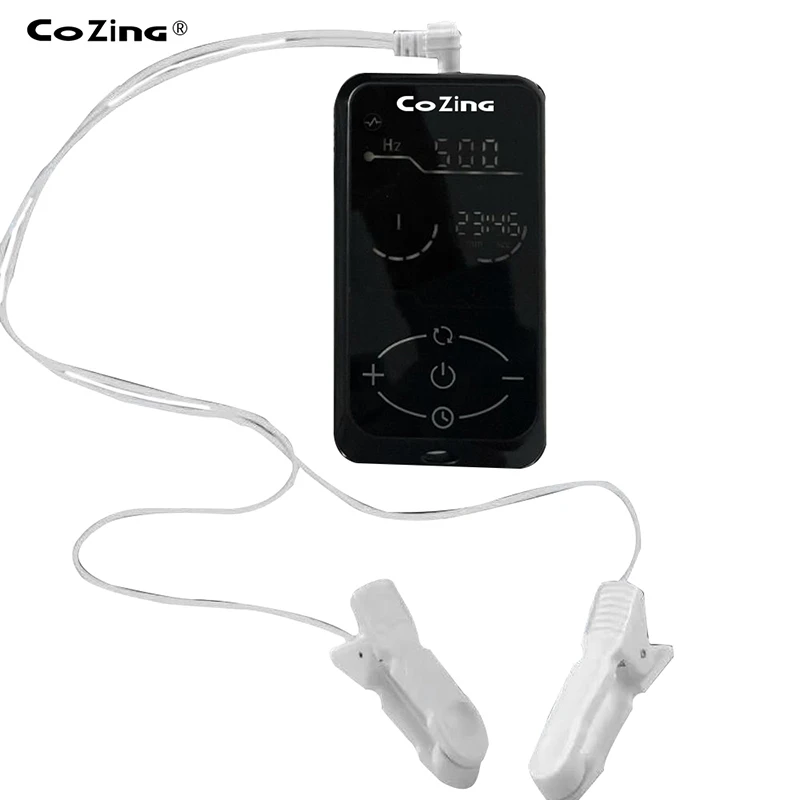
⑥Dual treatment: Earlclip and 650nm ear probe
⑦USB-C charge port.
⑧wavelength,intensity,color,package can accept customized different. supporting OEM and ODM.
How does the COZING-IN02 electrotherapy for anxiety work?
Cranial electrotherapy stimulation (CES) is a medical treatment that delivers a mild form of electrical stimulation to the brain for the treatment of depression and anxiety. More recent research indicates it might temporarily change the “connectivity” among certain brain cells.Research has found the electrical activity in your brain controls the neurochemicals regulating your moods, emotions, sleep and cognition.Stress causes that electrical activity to function improperly, causing hormones and neurotransmitters that regulate our emotions to become unbalanced.By indirectly stimulating brain tissue in the hypothalamic area, CES is thought to cause the brain to restore the various neurochemicals back to pre-stress balance.
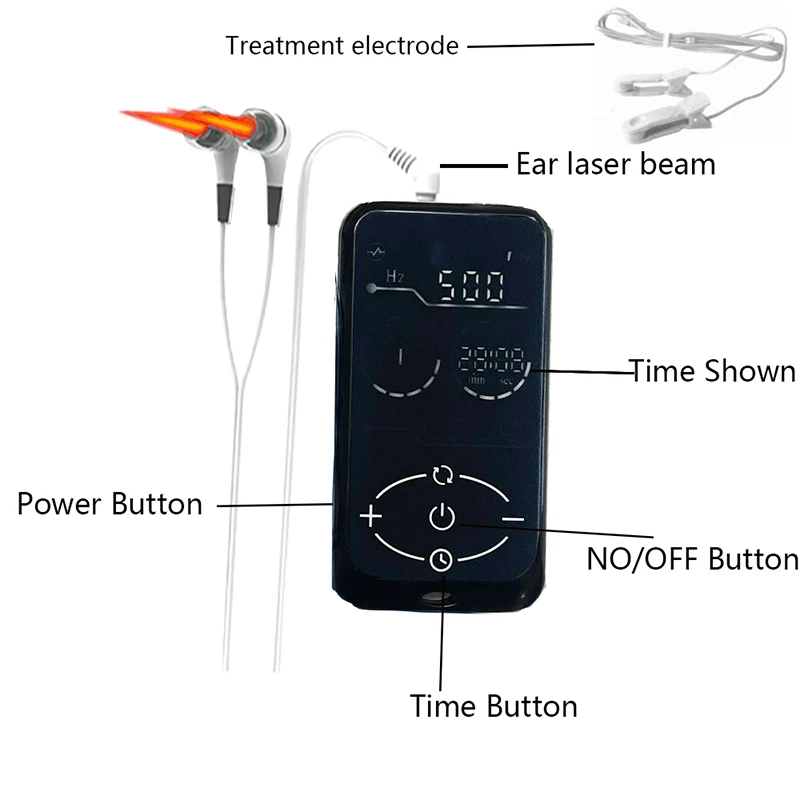
COZING-IN02 electrotherapy for anxiety Product Display
COZING-IN02 electrotherapy for anxiety Clinical Study:
Study Objective:
This systematic review and meta-analysis aimed to evaluate the clinical efficacy and safety profile of cranial electrotherapy stimulation (CES) as an intervention for anxiety symptom management.
Research Methodology:
A comprehensive literature search was performed across multiple databases (PubMed, Cochrane CENTRAL, Embase, and Medline) from inception through November 15, 2021, following PRISMA guidelines. We analyzed randomized controlled trials (RCTs) using random-effects models. Primary outcomes measured mean anxiety symptom reduction, with secondary outcomes assessing depressive symptom improvement.
Key Findings:
Pooled Analysis: 11 qualifying RCTs (n=794 participants; mean age 41.4 years; 64.8% female) demonstrated significant anxiety reduction with CES versus controls (k=11, n=692; Hedge’s g=-0.625, 95% CI [-0.952, -0.298], p<0.001), showing moderate effect sizes
Subgroup Results:
Primary anxiety disorders: Greater efficacy (k=3, n=288; g=-1.218, 95% CI [-1.418, -0.968], p=0.007)
Secondary anxiety: Still significant but smaller effects (k=8, n=504; g=-0.334, 95% CI [-0.570, -0.098], p=0.006)
Between-group difference: Primary anxiety showed superior response (p<0.001)
Secondary Outcomes: CES significantly improved comorbid depressive symptoms (k=8, n=552; g=-0.648, 95% CI [-1.062, -0.234], p=0.002)
Safety Profile: No serious adverse events reported; most common were transient ear discomfort (12.3%) and mild pain (8.7%)
Clinical Implications:
CES demonstrates:
Moderate anxiolytic efficacy across anxiety subtypes
Particularly strong effects for primary anxiety disorders
Beneficial impact on comorbid depression
Excellent tolerability with minimal side effects
Conclusion:
Current evidence supports CES as an effective, well-tolerated neuromodulation therapy for anxiety disorders, with additional benefits for depressive symptoms. The differential response between primary and secondary anxiety suggests potential diagnostic-specific applications warranting further investigation.
FAQ