
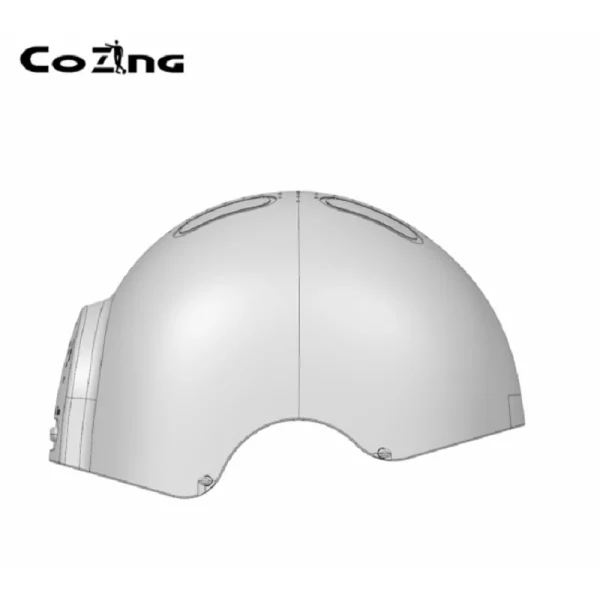
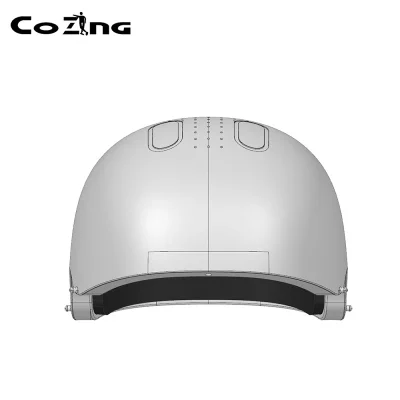
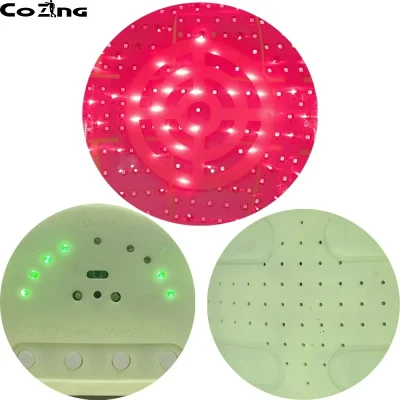
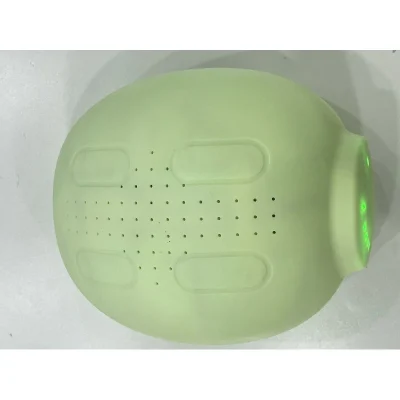
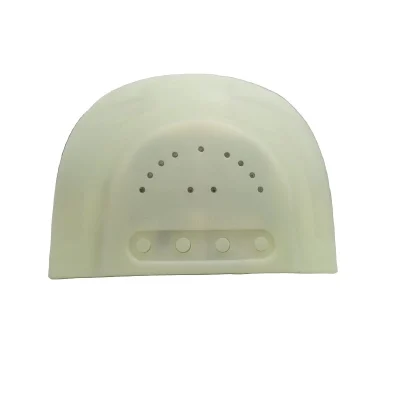
What’s the indications of the laser light for parkinson’s disease helmet?
- Stimulate neuronal growth and connectivity.
- Improve mitochondrial activation and increase cortical blood flow and tissue oxygenation.
- Increase available energy and vitality to accelerate healing and protect against further injury.
- Repair damaged brain tissue, anti-inflammation
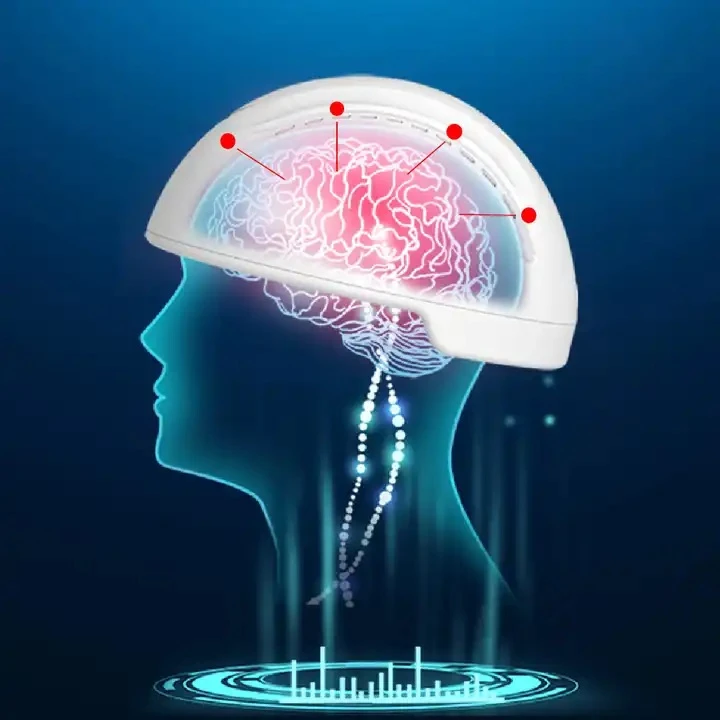
What’s the technical parameter of the laser light for parkinson’s disease?
|
Number of diodes: |
320 LEDs [ODM is acceptable] |
|
Wavelength: |
810 nm LED [ODM is acceptable] |
|
Frequency: |
1-20,000 Hz can be adjusted |
|
The default frequency setting: |
30Hz–the frequency data can not show on the display, but there are some buttons to adjust it. |
|
Duration: |
0-30 minutes adjustable |
|
The intensity of the LED: |
25, 50, 75 or 100% can be adjusted, that is means 4 level can be adjusted |
|
Remote controller: |
wireless remote controller |
|
Total Max. output power : |
16W |
|
Single LED max. output power: |
50mW |
|
Operation: |
It can be controlled manually or by remote controller |
What is the advantages of the COZING-C320?
①Wavelength: 810 nm LED
②20,000 Hz can be adjusted
③ the default frequency setting is 30Hz–the frequency data can not show on the display, but there are some buttons to adjust it.
④Duration: 0-30 minutes adjustable –
⑤The intensity of the LED: 25, 50, 75 or 100% can be adjusted, that is means 4 level can be adjusted .
⑥Remote controller —wireless remote controller
⑦Total Max. output power :16W –
⑧Single LED max. output power: 50mW
⑨Operation: It can be controlled manually or by remote controller.
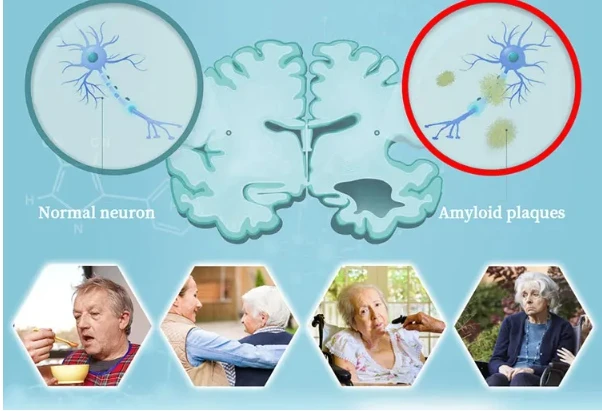
what is the laser light for parkinson’s disease working Principle?
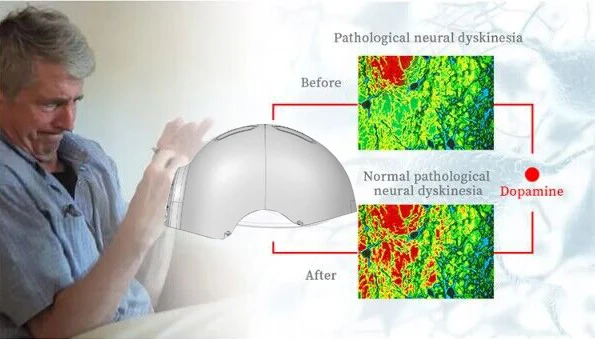
The reference to using light therapy for Parkinson’s disease involves the potential application of various modalities, including laser light and infrared (IR) light therapy. Expanding on this with a focus on laser light for Parkinson’s disease and IR light therapy:
①Mechanism of Action for Parkinson’s Disease:
Laser light and IR light therapy may impact Parkinson’s disease through photobiomodulation (PBM). PBM involves the absorption of light by mitochondria, leading to enhanced cellular function. In the context of Parkinson’s, this could mean improved neuronal activity and function.
②Brain Activity Enhancement:
The application of laser light, especially in the infrared range, has been associated with increased blood flow and oxygenation in the brain. This enhanced cerebral circulation can contribute to improved brain activity, potentially benefiting individuals with Parkinson’s disease by supporting neuronal function.
③Quality of Life Improvement:
By positively influencing brain function and providing neuroprotection, light therapy modalities aim to alleviate symptoms associated with Parkinson’s disease. This can enhance the overall quality of life for individuals with the condition, allowing for better self-care and functional independence.
④Motor and Non-Motor Symptom Relief:
Light therapy may offer relief from both motor and non-motor symptoms of Parkinson’s disease. Motor symptoms such as tremors and rigidity, as well as non-motor symptoms like cognitive impairment and mood disorders, could potentially benefit from the neuroregulatory effects of light therapy.
⑤Supportive Role in Self-Care:
The overall goal of light therapy in Parkinson’s disease is to complement existing treatments, offering a supportive approach that contributes to patients’ ability to engage in self-care and maintain a higher level of functionality in daily life.
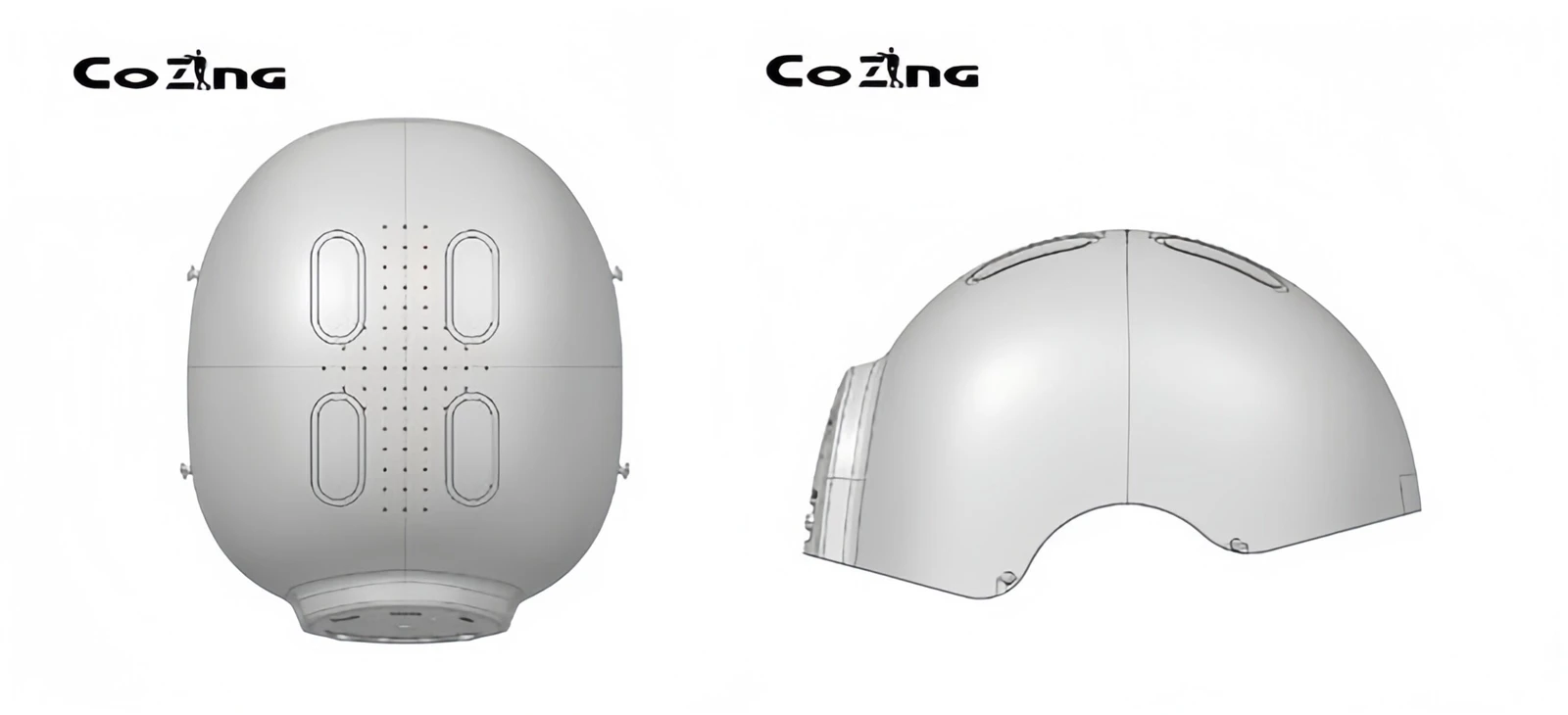
Product Display:
FAQ