✉ lancy@cozingmedical.com ☎ +86 159 9740 6605

Light Therapy for Arthritic Knees

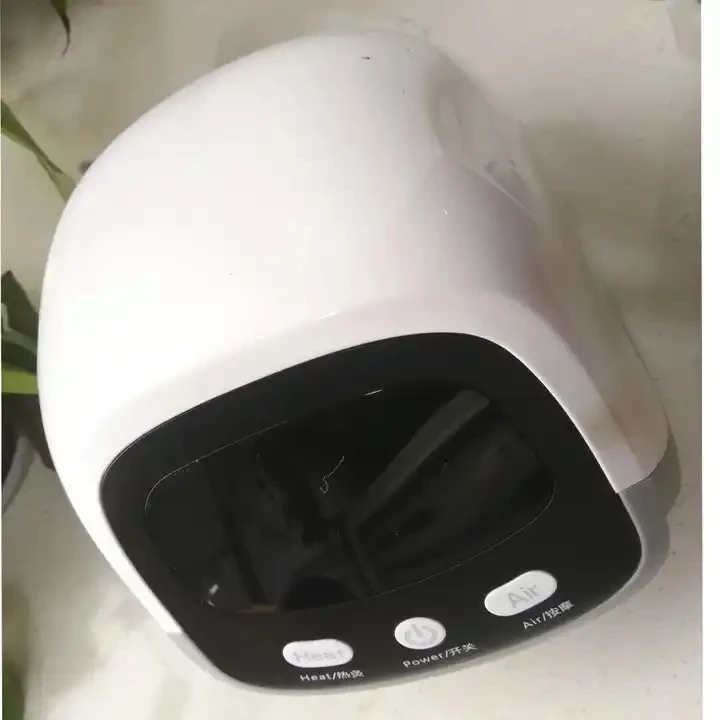
Model:COZING-T02A Wavelength:Red,610NM,650nm User group:Aged or middle aged ,youth,child Function: It can treatment Rheumatoid arthritis, arthritis

What’s the indications of the light therapy for arthritic knees?


  • Rheumatoid arthritis, arthritis.
  • Joint pain, knees pain, shoulder pain.
  • Ankle pain, elbow pain, wrist pain.
  • Knee discomfort, Knee joint hyperplasia.
  • Joint swelling, sports injuries, sports sprain
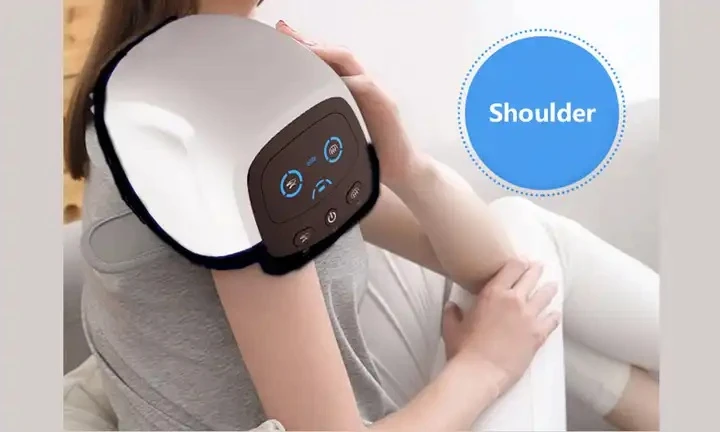
light therapy for arthritic knees1


What’s the technical parameter of the light therapy for arthritic knees?


Specification

Description

Model

COZING-T02

Product Name

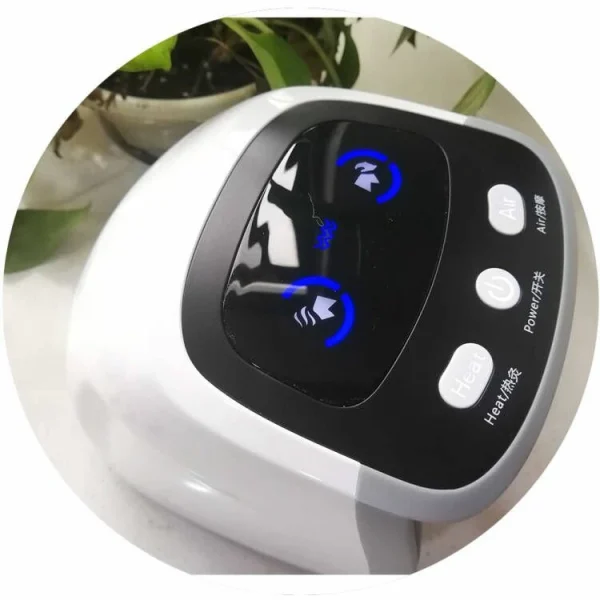
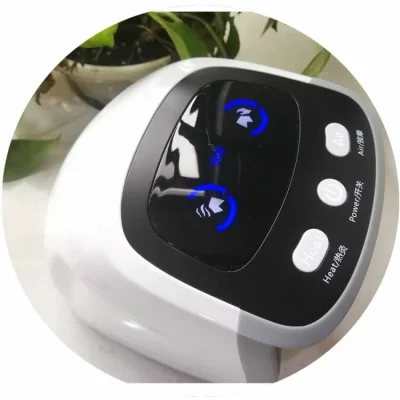
Knee pain relief massager

LED

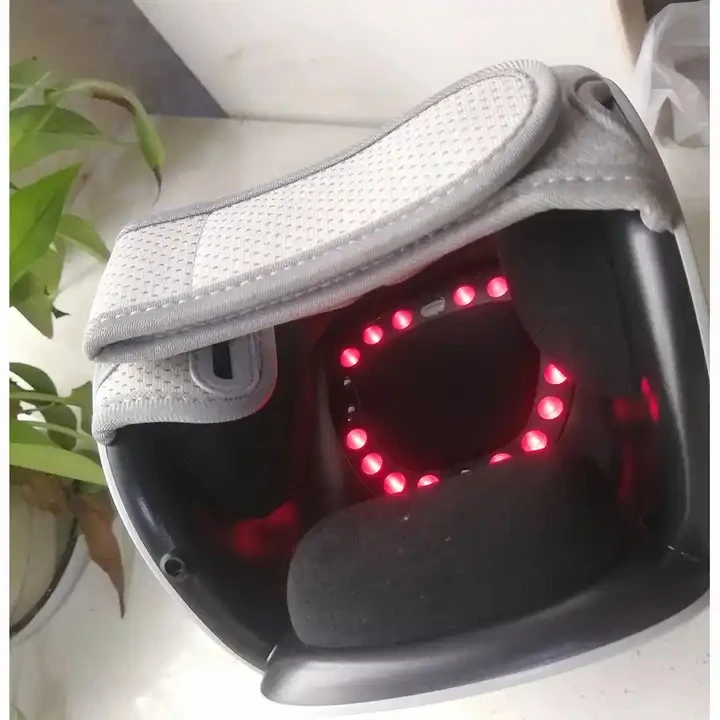
14pcs, each one 60mW, total 840mW

Magnet

5 pcs

Size

L200 x W108 x H120mm

Timer

15 minutes

Heating Temperature

Low 45±3°C, Mid50±3°C, High55±3°C

Input Voltage

AC100-240V 50/60Hz

Net Weight

0.75kg


What is the advantages of the COZING-T02A?


①14 red light therapy lamps and 5 units magnet magnetotherapy

② airbag massage

③ infrared heating

④ full package design

⑤ rechargeable lithium battery

⑥vibration massage
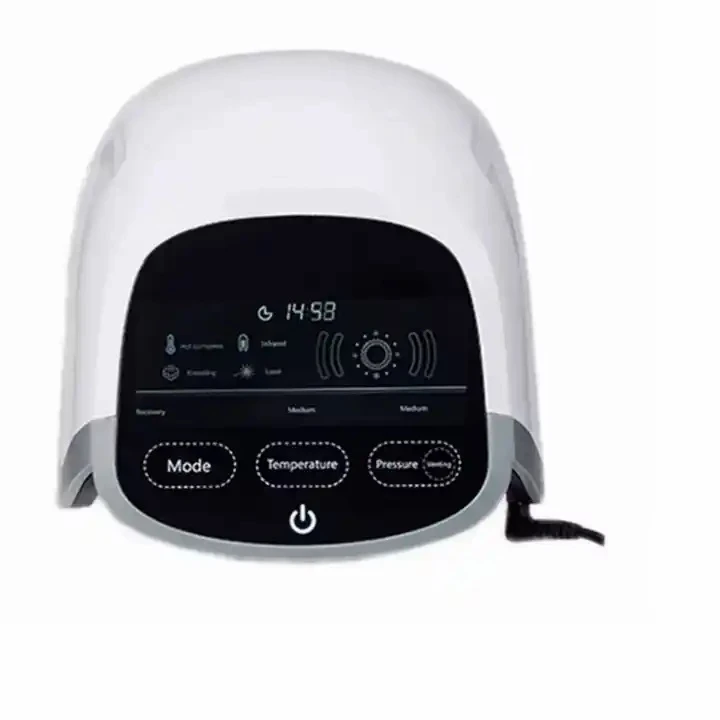
T02A 71


what is light therapy for arthritic knees working Principle?


①LED infrared light penetrates the skin and then is absorbed by the mitochondria–the energy or powerhouse of the cell. Because of this increase in metabolism of the collective cells, healing is stimulated in muscle, bone, skin and subcutaneous tissue. Speeding up the healing process relieves pain more quickly.

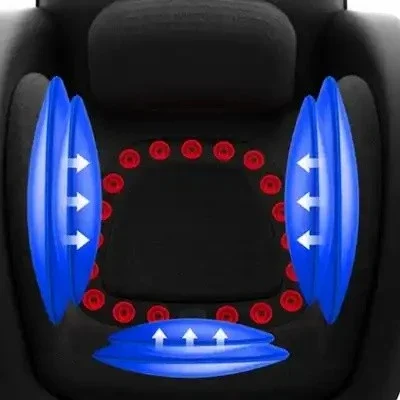
②Acupressure massage: for knees; Improve muscle tissue stiffness, reduce pain on affected area and joint swelling; Relieve muscle tension and stimulate blood circulation

③Vibrating massage: the two vibrators are placed on the both side.when user wear the device,the stronger vibrators can massage joints .the Vibration is very quiet when working,through high frequency vibration to relieve swelling and pain rapid analgesic and detumescence.
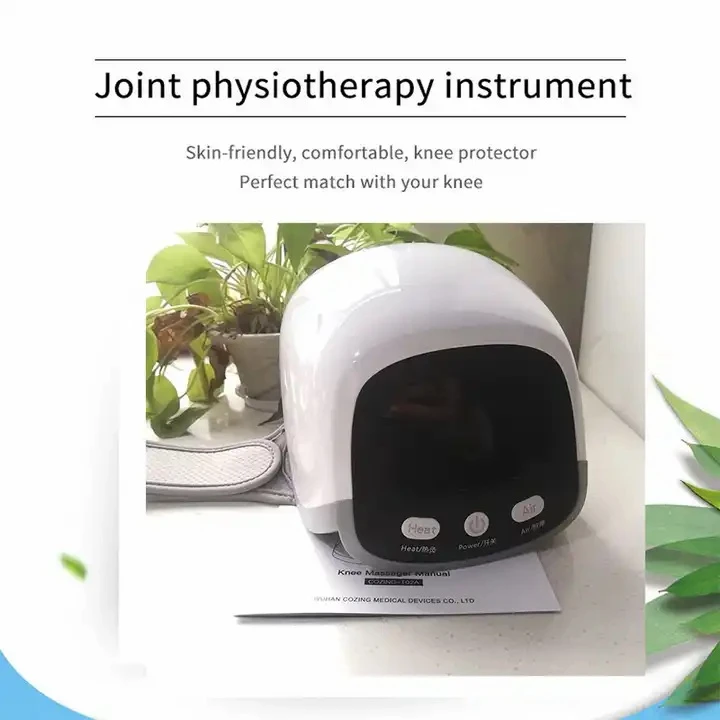
T02A 241


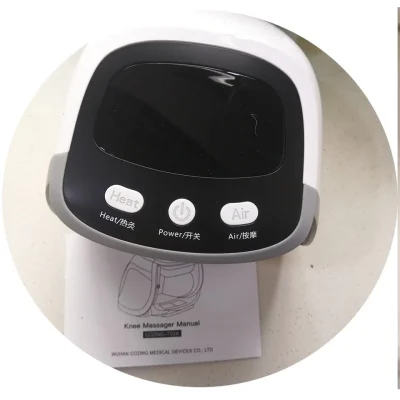
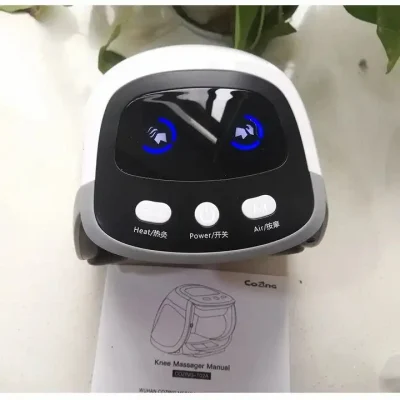
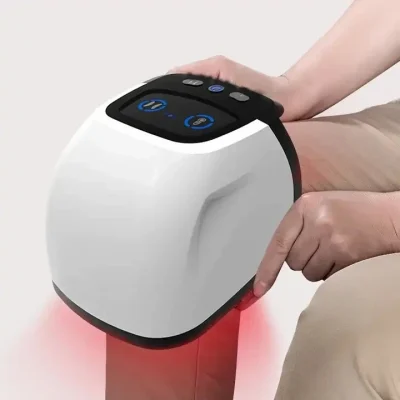
Product Display:


T02A 51
T02A 31


FAQ


Q1: Can Laser Treatment Benefit Knee Osteoarthritis?

A1: Yes, laser treatment, particularly low-level laser therapy (LLLT) or cold laser therapy, has shown promise in providing benefits for knee osteoarthritis. Research suggests that laser therapy may help reduce pain and inflammation associated with knee osteoarthritis. The low-level laser is applied directly to the affected area, penetrating the skin without causing discomfort. It is believed to stimulate cellular activity and promote tissue repair, contributing to improved symptoms and function in individuals with knee osteoarthritis.

Q2: What are the optimal wavelength and intensity settings for LED infrared light therapy in addressing arthritis in the knee joints?

A2: The optimal wavelength and intensity settings for LED infrared light therapy in addressing arthritis in the knee joints may vary based on the specific goals of the treatment and the characteristics of the LED device being used. However, certain general considerations can be discussed:

①Wavelength:

Infrared light in the range of 700 to 1200 nanometers (nm) is commonly used for LED therapy.

For deep tissue penetration, wavelengths closer to the 800-1000 nm range are often preferred.

②Intensity:

The intensity of LED therapy is measured in power density or irradiance and is typically expressed in milliwatts per square centimeter (mW/cm²).

The intensity can vary based on the device, but common ranges for LED therapy might be between 5 to 100 mW/cm².

③Pulse or Continuous Wave:

LED therapy devices can emit light in either a continuous wave (CW) or pulsed mode.

Some studies suggest that pulsed LED therapy may have specific benefits, and parameters like pulse frequency and duration should be considered.

Duration and Frequency:

The duration of each LED therapy session can vary but is often in the range of 5 to 20 minutes per session.

The frequency of sessions might range from daily treatments to several sessions per week, depending on the treatment plan.

④Device Design:

The design of the LED device, including the number and arrangement of LEDs, can influence the coverage area and depth of penetration.