
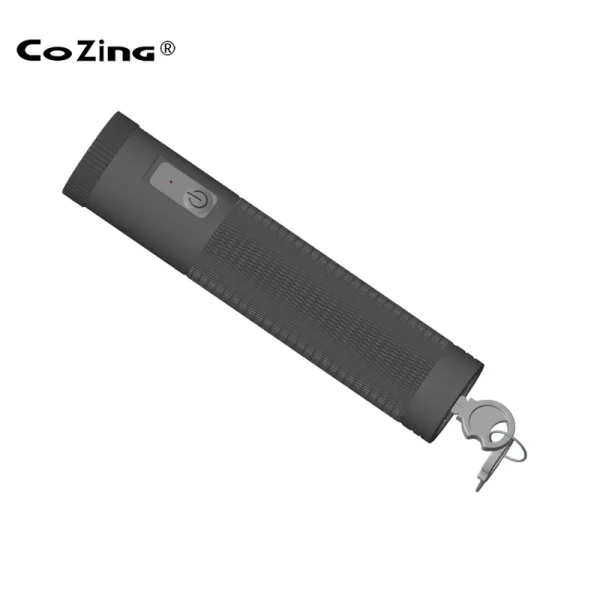
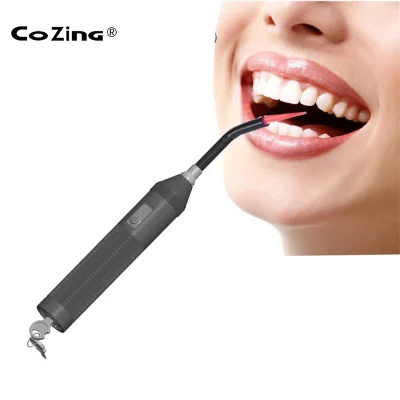
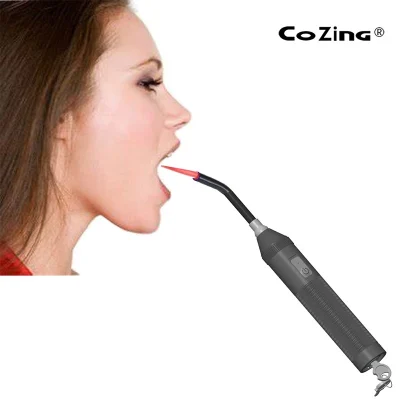
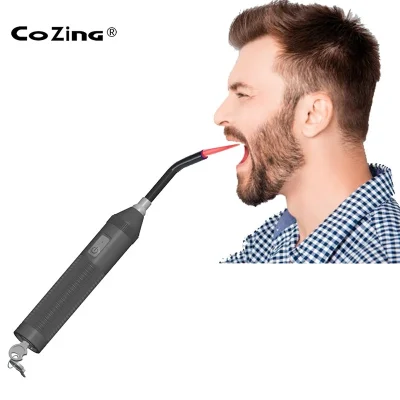
What are the indications of COZING-USBO7 diode laser dental hygiene ?
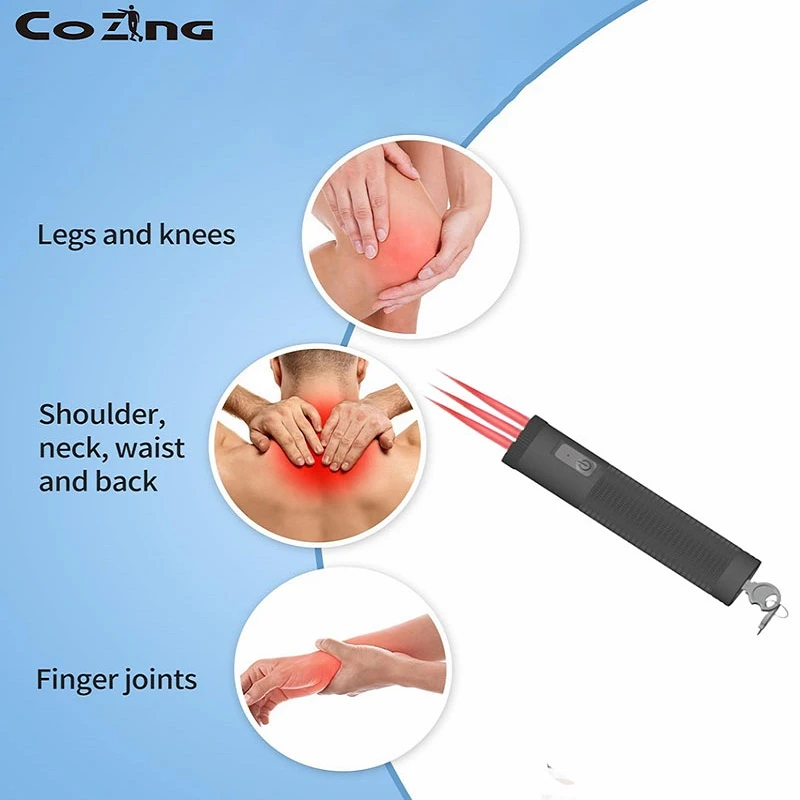
- Pain Alleviation
- Decrease Inflammation
- Support Muscle Healing
- Sports injuries to everyday aches
- Uscle recovery, alleviate joint stiffness, and promote wound healing
What’s the technical parameter of theCOZING-USBO7 diode laser dental hygiene ?
|
Model: |
COZING-USBO7 |
|
Wavelengths |
904NM+650NM+650NM |
|
Max Output Power |
600mw |
|
Design |
handheld |
|
Usage Area |
Body and face |
|
Modes |
Continuous and pulse |
What are the advantages of COZING-USBO7 diode laser dental hygiene ?
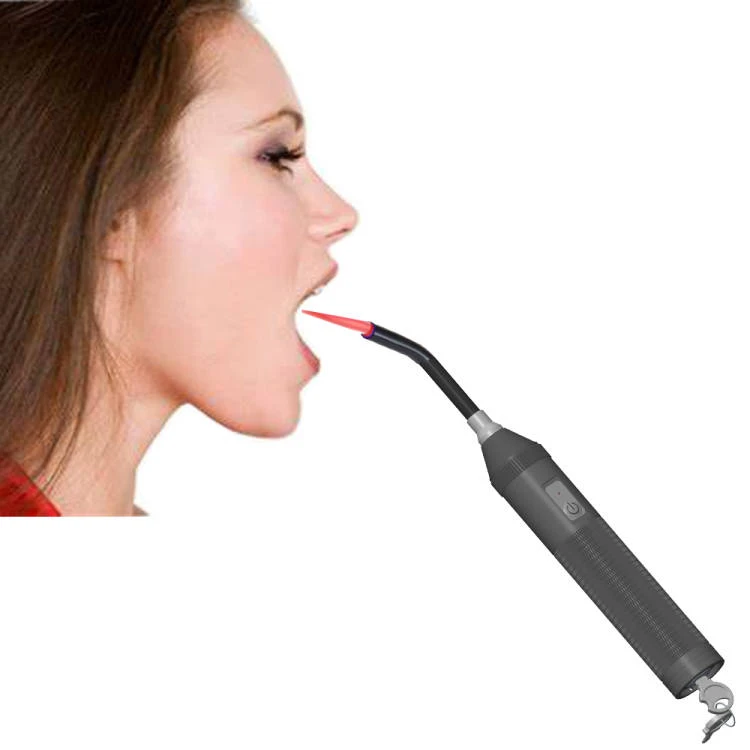
1. With dual capabilities housed within a single apparatus: when outfitted with the tip, it effectively tackles facial discomforts such as canker sores, earaches, nasal issues, and cold sores. Remove the tip, and it metamorphoses into a versatile pain relief and healing instrument for the body.
2. Select the COZING cold sore canker sore therapy device for hastened healing devoid of any complications. Simply employ this red light therapy wand on affected areas for a few minutes daily, and observe the vanishing act of cold sores and canker sores.
3. Enhanced with four distinct wavelengths-650nm red light, 808nm infrared light, 904nm infrared light, and 904nm & 650nm & 650nm laser light-this treatment is swiftly assimilated by the body to expedite bodily recuperation, wound mending, and provision of solace for mouth sores and canker sores.
4. Furnished with an embedded 3200mAh battery and a wireless blueprint, this contrivance is seamlessly portable and adaptable for myriad scenarios. Its one-click functionality renders it user-friendly for individuals of all ages, ensuring facile access to efficacious red and infrared light therapy whenever and wherever needed!
5. The red light apparatus proves to be an exemplary gift for family, friends, colleagues, and even pets, fostering relaxation, assuaging discomfort, and fortifying overall well-being.
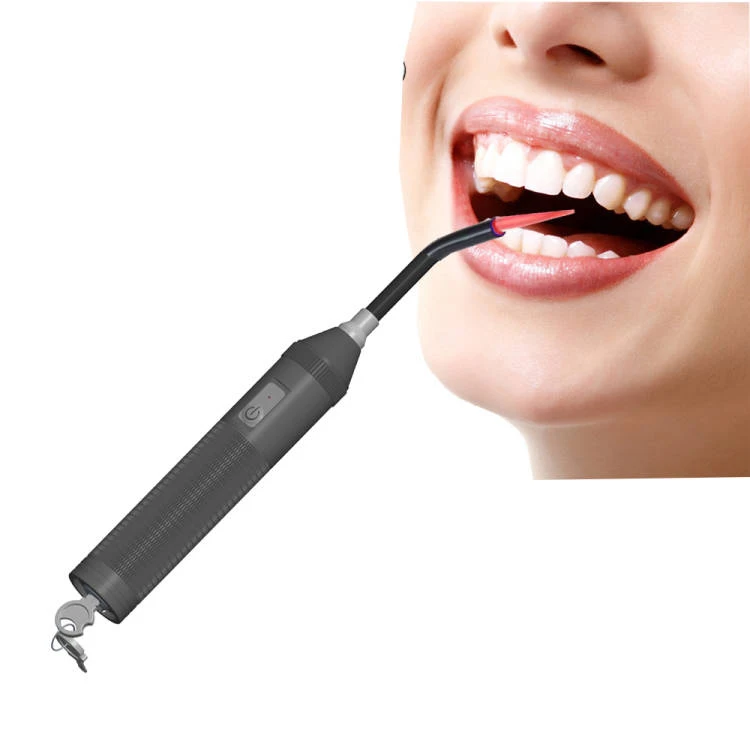
COZING-USBO7 diode laser dental hygiene Display:
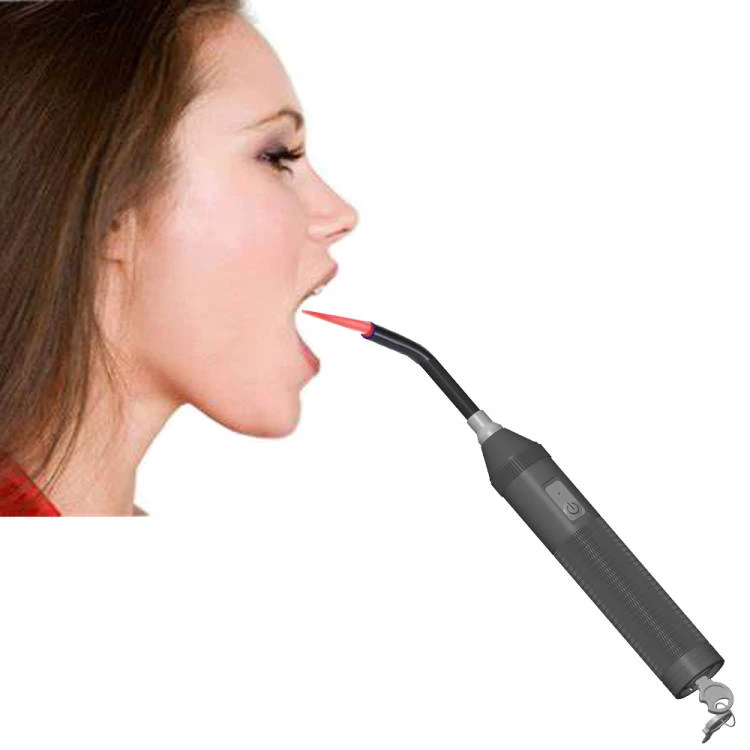
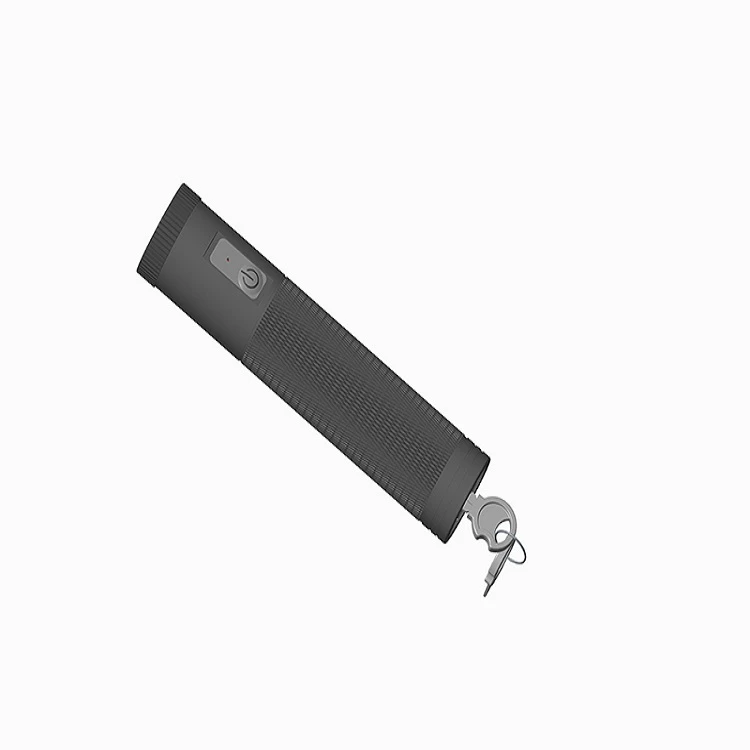
How does COZING-USBO7 diode laser dental hygiene work?
Laser dental hygiene is an advanced dental procedure that uses laser technology to treat various dental conditions and enhance Oral hygiene. These lasers are used on gums and other soft tissues. They are ideal for treating periodontal disease, reshaping gums, and removing soft tissue lesions
For cavities, lasers can remove decayed tissue precisely, preparing the tooth for a filling without the need for traditional drilling.
For aesthetic procedures, such as gum contouring, lasers can reshape the gums with minimal bleeding and faster healing times.
COZING-USBO7 diode laser dental hygiene Clinical study:
A study was undertaken involving 105 participants (81 males, 24 females; mean age 42 years) who were randomly assigned to three groups (808 nm diode laser, 904 nm diode laser, and scalpel), each comprising 35 patients. A total of 525 sections, 5 μm thick, were obtained from 105 formalin-fixed paraffin-embedded blocks. Histological and histochemical staining techniques were employed to assess morphometric and pathomorphological alterations, glycogen content, and inflammation.
Findings
In the 808 nm diode laser group, charring was observed in 48% of samples using a continuous wave (CW) mode at 2.5W, while in the 904 nm diode laser group, charring was noted in 31% of samples with a pulsed mode (PM) at 5W; no charring was observed in the scalpel group. The mean value of laser tissue damage (LTD) in the 808 nm diode laser group under CW was five times higher than that in the 904 nm diode laser group under PM. Additionally, the 808 nm diode laser group exhibited more pathomorphological artifacts compared to the other study groups (904 nm diode laser group and scalpel group). Histochemical analysis revealed a uniform distribution of PAS staining in the scalpel group, whereas 60% of sections in the 904 nm diode laser group and 54.2% of sections in the 808 nm diode laser group exhibited a patchy distribution. Furthermore, 80% of Giemsa-stained sections showed dense inflammation in the scalpel group, 54.2% showed less density in the 808 nm diode laser group, and inflammation was absent in 34.2% of sections in the 904 nm diode laser group.
Conclusion
The 904 nm diode laser emerged as an effective and preferable tool for biopsies compared to the 808 nm diode laser.
FAQ