
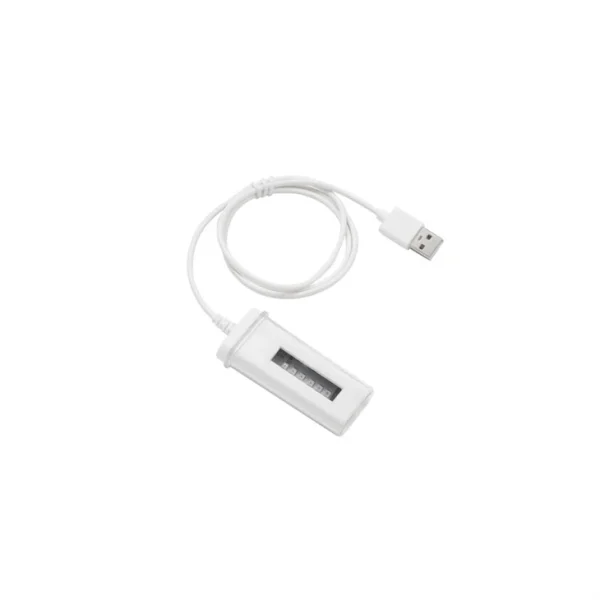
What are the indications of dentist cold sore laser?
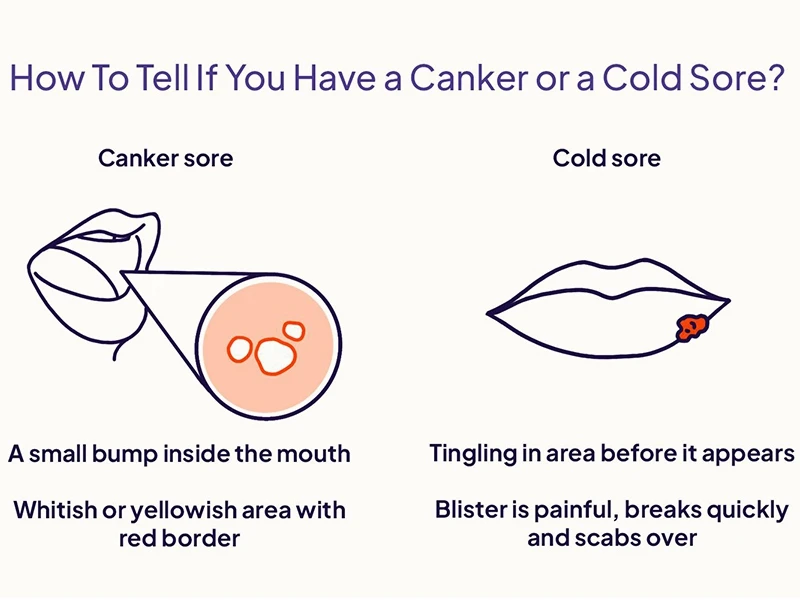
- Treatment is inadequate, cold sores leave scars
- Cold sore marks
- Red or pink blotches
- Raised cold sore scars
- Blisters, Oozing and crusting
- Minor canker sores
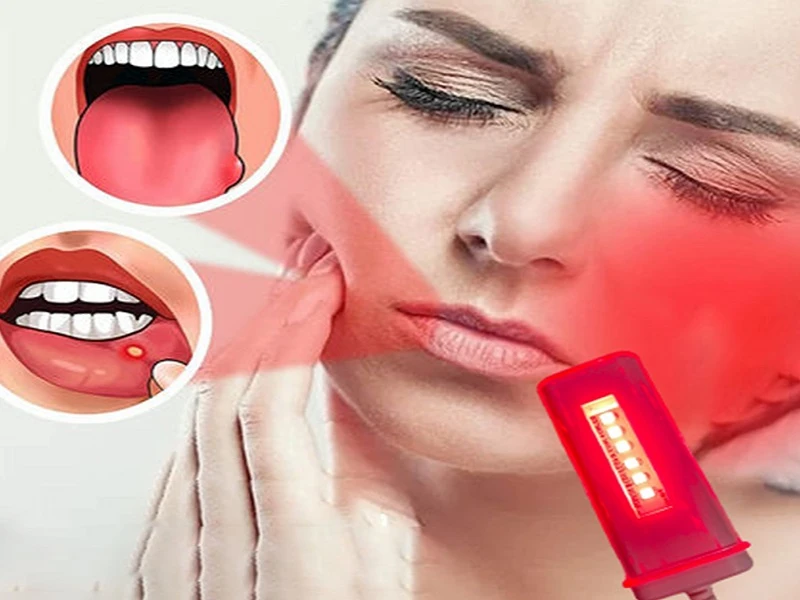
What’s the technical parameter of the dentist cold sore laser?
|
Model Number |
COZING-USBO4 |
|
Advantage |
Compact, easy to carry |
|
Wavelength |
650nm laser+660led |
|
certificate |
CE |
|
Power supply |
power bank, computer, phone charger, etc. |
|
Material |
Food grade material |
|
Power Source |
Electricity |
What are the advantages of the COZING-USBO4 dentist cold sore laser?
1, USB interface and can be used alone without connecting the main unit.
2, It can be connected to a computer/power bank/adapter
3, Simple to use.
4, Simply plug in to activate the automatic output of the infrared laser.
6, Utilizes technology protected by national patents.
How does the COZING-USBO4 dentist cold sore laser work?
Cozing-USBO4 laser treatments target excess blood vessels and redness in the skin, At a specific wavelength, the energy of the laser is absorbed by the hemoglobin in red vessels, causing them to close and the pink or red color to fade. Depending on the type of scar and its location, laser skin resurfacing can be very effective in reducing the appearance of scars by blending them into the surrounding skin.
Laser scar removal treatments use a focused beam of light to make a scar look less noticeable and (in some cases) help it disappear altogether without surgery. They can also reduce the pain, itching, and sensitivity of scar tissue. A scar is a natural response to the formation of a wound, be it from an injury, surgery, illness (like chicken pox), or a skin condition like acne. The body forms new collagen fibers to mend the skin damage, creating a different texture and quality than the surrounding tissue.
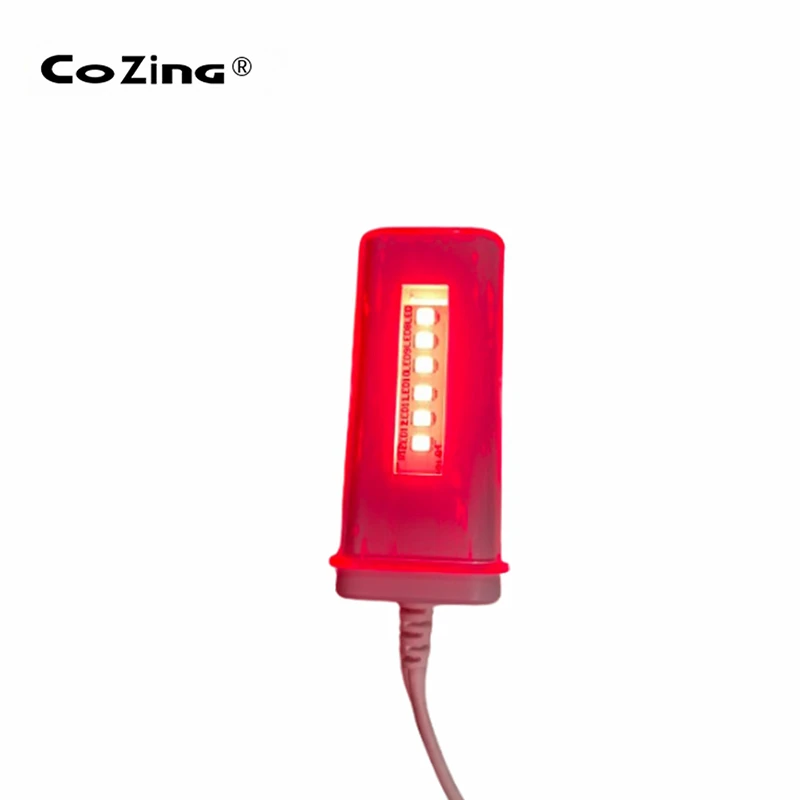
COZING-USBO4 dentist cold sore laser Product display:
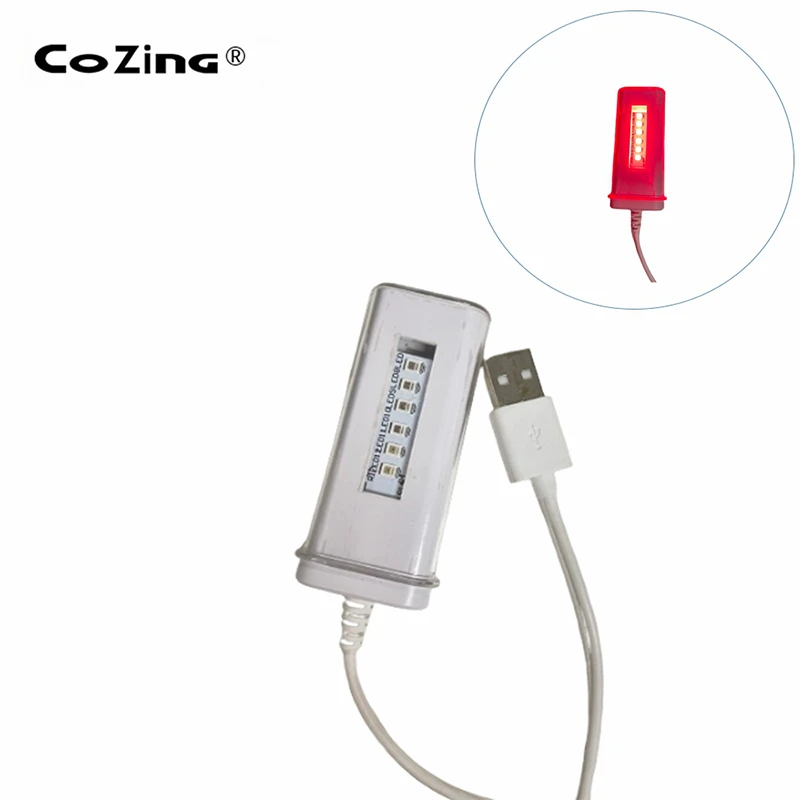
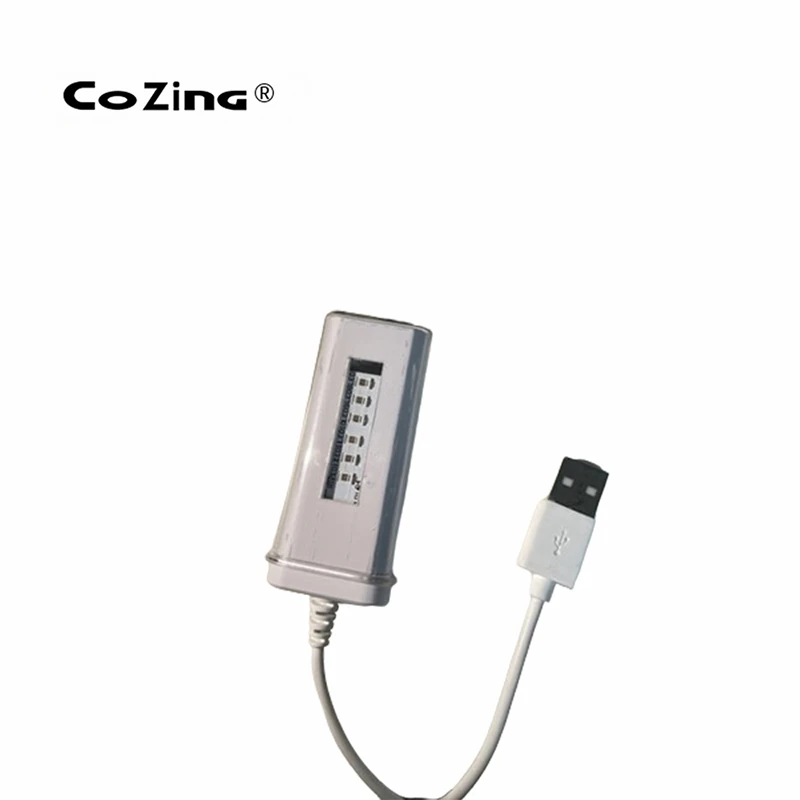
Oral laser applicator*1+user manual*1+box*1
COZING-USBO4 Dentist cold sore laser Clinical Study:
Objective:
This current investigation seeks to assess the efficacy of utilizing photobiomodulation therapy (PBMT) in averting recurrent herpes labialis (RHL) via a randomized controlled clinical examination.
Background data:
RHL, a persistent ailment, significantly impacts the well-being of individuals. Existing literature suggests PBMT’s potential to curb RHL occurrences, diminishing their frequency and intensity. Despite positive findings, limited controlled clinical research exists on this topic.
Methods:
In this study, 158 participants were enlisted and randomly assigned to three experimental cohorts: Laser 1–1 J/point (L1J): n = 61, Laser 2–2 J/point (L2J): n = 50, and placebo–0 J/point: n = 47. The intervention comprised a regimen of 15 sessions over 6 months, followed by a 2-year post-treatment monitoring phase.
Results:
The outcomes reveal that L1J exhibited superior efficacy in diminishing the annual lesion count and reducing the severity of recurrences during long-term evaluation compared to L2J. Both Laser Groups (L1J and L2J) demonstrated statistically significant superiority over placebo across all analyzed parameters. Patients subjected to laser therapy (L1J and L2J) showed notable enhancements in lesion frequency and/or severity. Notably, no adverse effects were reported from the treatment.
Conclusions:
PBMT emerges as a potentially effective intervention for curbing RHL recurrences and mitigating the severity of post-irradiation lesions.
FAQ