
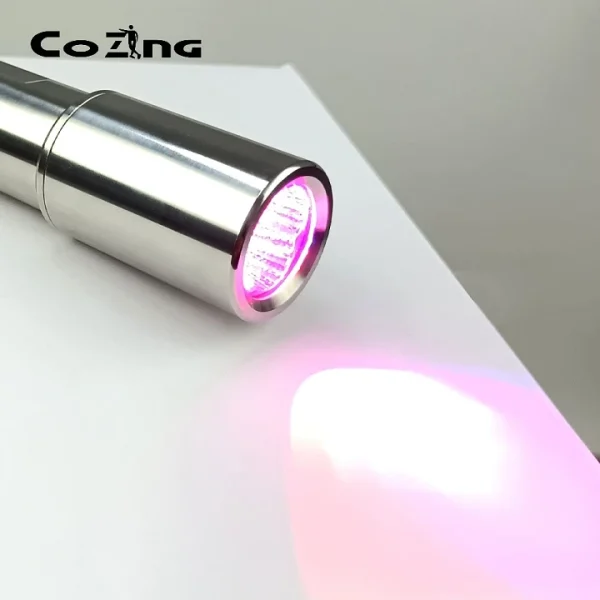
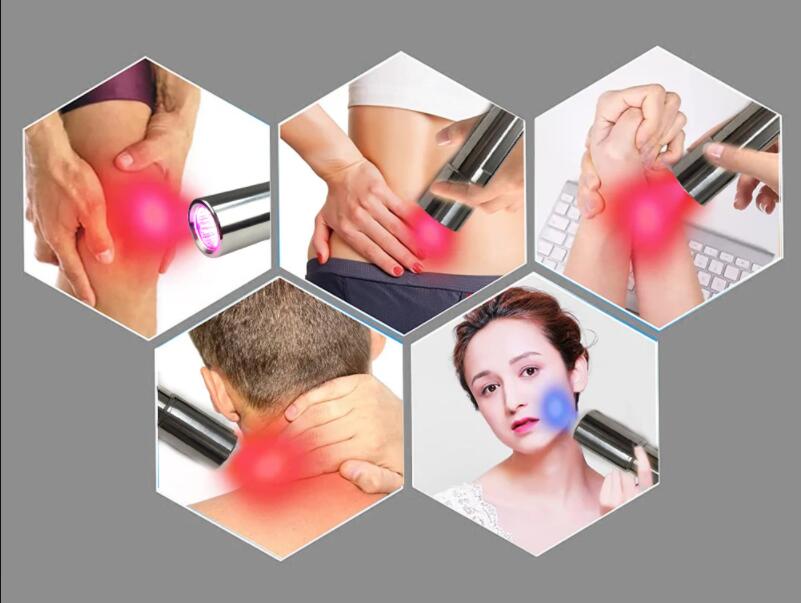
What’s the indications of the hand held red light therapy for pain ?
|
Indications |
Knee, Feet, Ankle, Shoulder, Back, Elbow, Hand, Joint & Muscle |
|
Arthritis |
|
|
Tennis Elbow |
|
|
Tailbone Inflammation |
|
|
Athletics System Injuries |
|
|
Soft Tissue Injuries |
|
|
Sports Injuries & Sprain |
|
|
Wound & Ulcer Acupuncture |
|
|
Diminish Inflammation |
What’s the technical parameter of the red light therapy for pain?
|
Place of Origin |
Hubei, China |
|
COZING-T07 |
COZING-T07 |
|
Instrument classification |
Class II |
|
Diode type |
LED light |
|
Function |
pain relief |
|
Wavelength |
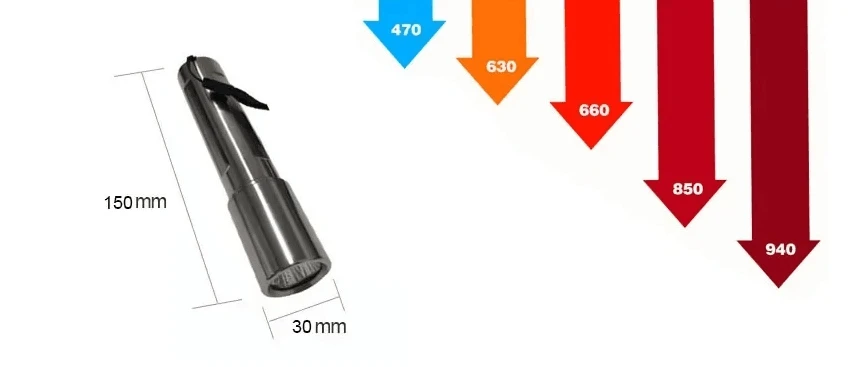
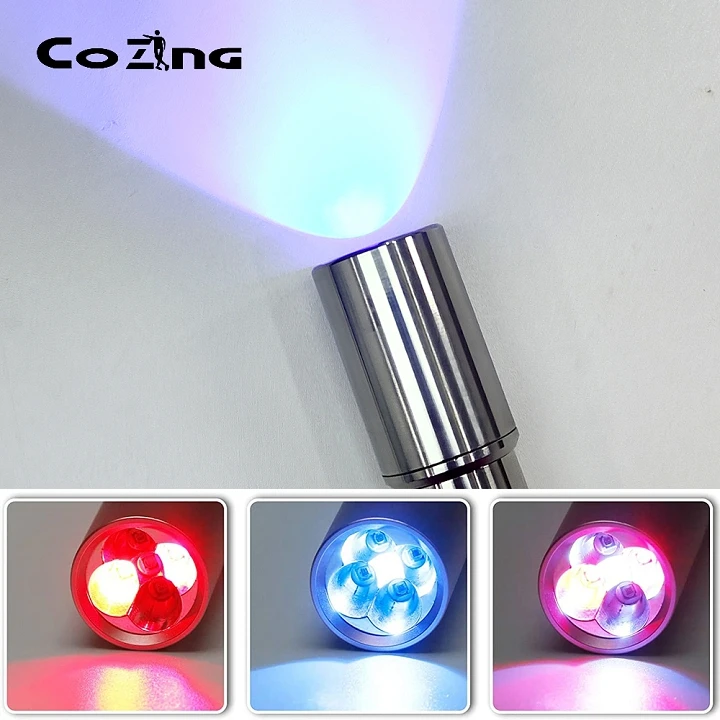
5 Wavelengths 470nm 630nm 660nm 850nm 940nm |
|
Led Diode |
5 pcs |
What is the advantages of the hand held red light therapy for pain COZING-T07?
①Hidden Switch Button
②Design Bottom switch button, better to hold.
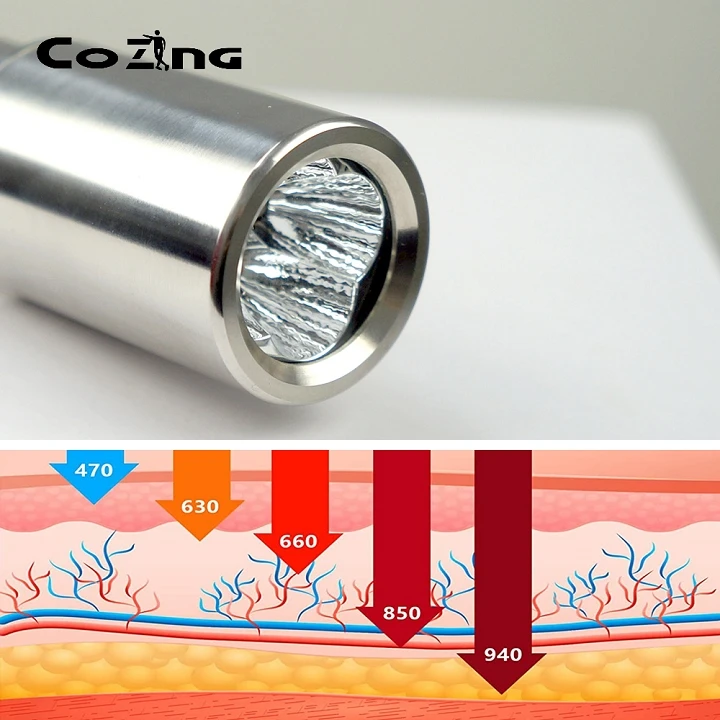
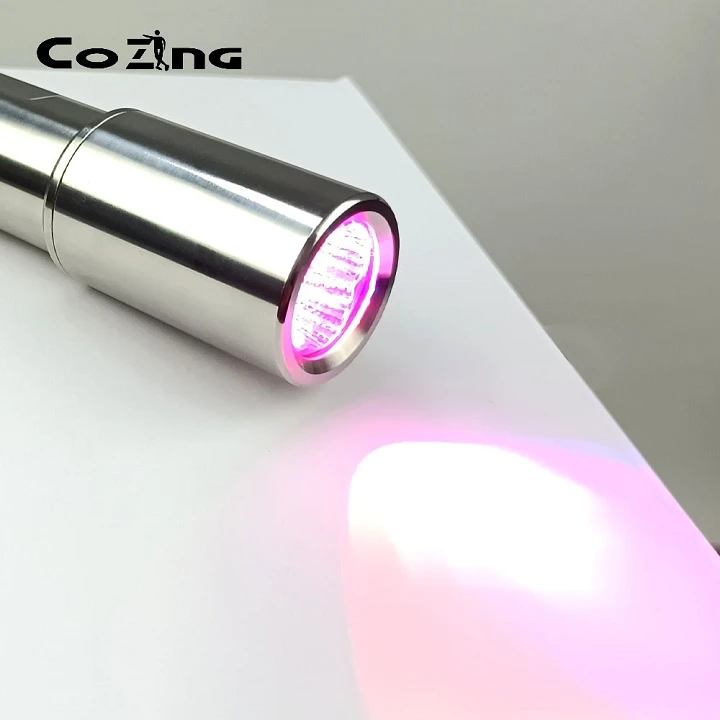
③5 Wavelengths Red Light Therapy – 470:630:660:850:940nm Wavelengths can meet all customer needs. Newly added 470nm has better protection for the skin, 940nm is invisible infrared light longer than 850nm wavelength.
what is red light therapy for pain working Principle?
① Laser can directly stimulate the release of endogenous endorphins and enkephalins by using biological stimulation and mechanical stimulation, thereby inhibiting the conduction of Aδ and C fibers. According to the pain gate control mechanism, mechanical stimulation of free nerve endings causes pain. Conduction is inhibited, thereby relieving pain
② Laser irradiation can regulate the content of serotonin (also known as 5-hydroxytryptamine/5-HT). Serotonin is a neurotransmitter that binds to serotonin receptors (5-HT3) and sensitizes nociceptors. Antagonists of peripheral serotonin receptors (5-HT2A and 5-HT3) can reduce tissue pain.
③Laser irradiation can reduce bradykinin. Bradykinin is an important cytokine that can mediate inflammation. It acts on nociceptors to cause pain and plays an important role in mediating inflammatory pain. Bradykinin has a wide range of effects. It can sensitize sensory neurons and is particularly important in the production of pain. Inflammatory pain, rheumatoid pain, and pain caused by hypoxia are all associated with elevated bradykinin concentrations. Therefore, the reduction of bradykinin can effectively relieve tissue pain.
Product Display:
FAQ