

What are the indications of nose laser therapy applicator?
- Sinusitis: Laser Nasal Therapeutic Instrument can help relieve symptoms such as inflammation, congestion, and secretion caused by chronic sinusitis and promote the recovery of sinus tissues.
- Allergic rhinitis: Laser nasal therapy instruments can reduce symptoms of nasal congestion, sneezing, and runny nose caused by allergic rhinitis and improve nasal ventilation.
- Nasal Polyps: Laser Nasal Therapy Instrument can be used for the treatment of nasal polyps, promoting the recovery and health of the nasal cavity by alleviating nasal congestion, loss of smell, and other problems caused by nasal polyps.
- Nosebleeds: Laser Nasal Therapy can be used to treat certain types of nosebleeds by promoting vasoconstriction and clotting to relieve the symptoms of nosebleeds.

What’s the technical parameter of laser ear applicator?
|
instrument classification |
Class l |
|
Brand Name |
COZING |
|
Wavelength |
650nm laser therapy apparatus |
|
certificate |
CE |
|
Power supply |
HLKGO-WS11/WS11H/WS11F/WS11G |
What are the advantages of nose laser therapy applicator?
- Non-Invasive: Laser Nasal Therapy uses a non-invasive method of treatment, eliminating the need for operations such as incisions or injections of medication. This makes the treatment process safer, and more comfortable and does not harm the surrounding tissues.
- Painless: Laser Nasal Therapy uses laser energy rather than mechanical or chemical action, so the treatment is painless and does not require the use of anesthesia.
- Fast and Effective: Laser Nasal Therapy treatments are usually completed in a few minutes, and can work quickly and in some cases in a single session.
- Safe and Reliable: Laser Nasal Therapy does not produce radiation, electromagnetic waves, and other harmful physical factors during the treatment, so it is safer and more reliable than the traditional treatment.

How to Use?
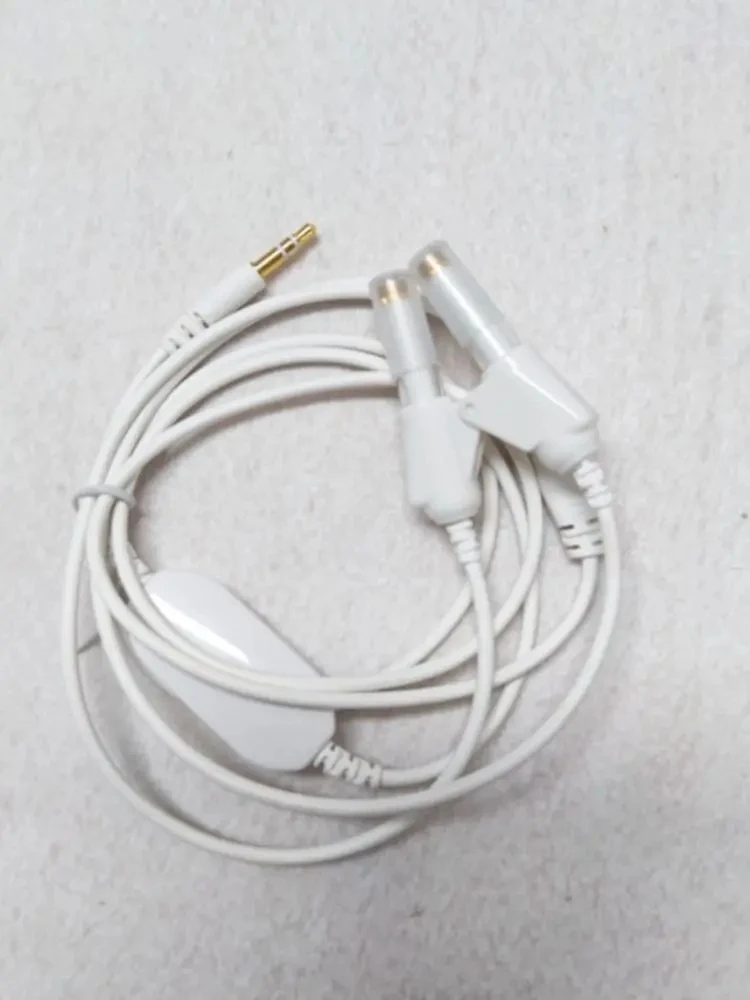
The probe can only be used with HLKGO laser nasal therapy products such as HLKGO-WS11/WS11H/WS11F/WS11G.
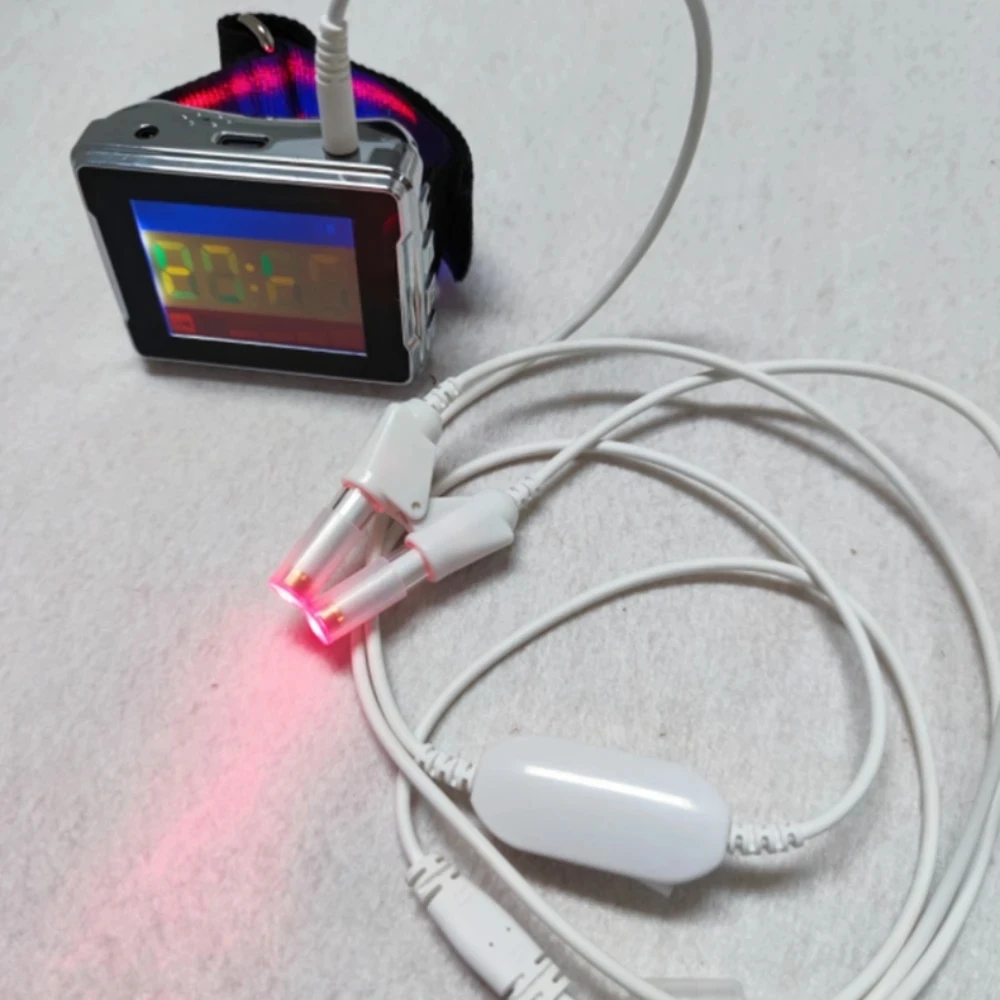
Product display:
FAQ