
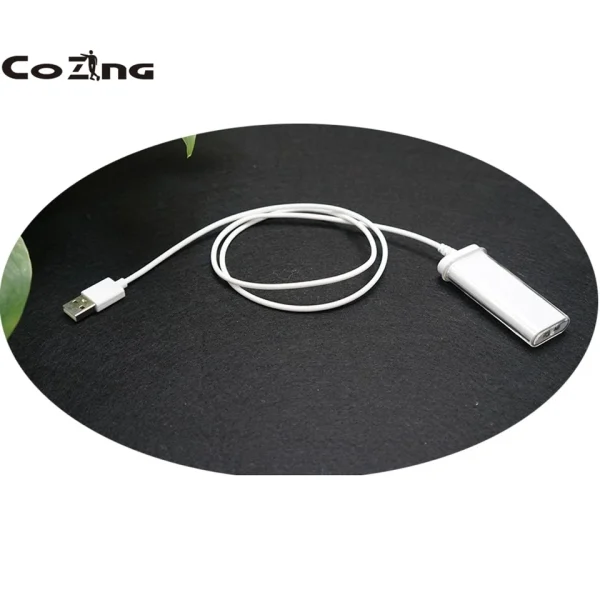
What are the indications of dental laser periodontal therapy?
- Gingivitis
- Periodontitis
- Gingival recession
- Tooth root exposure
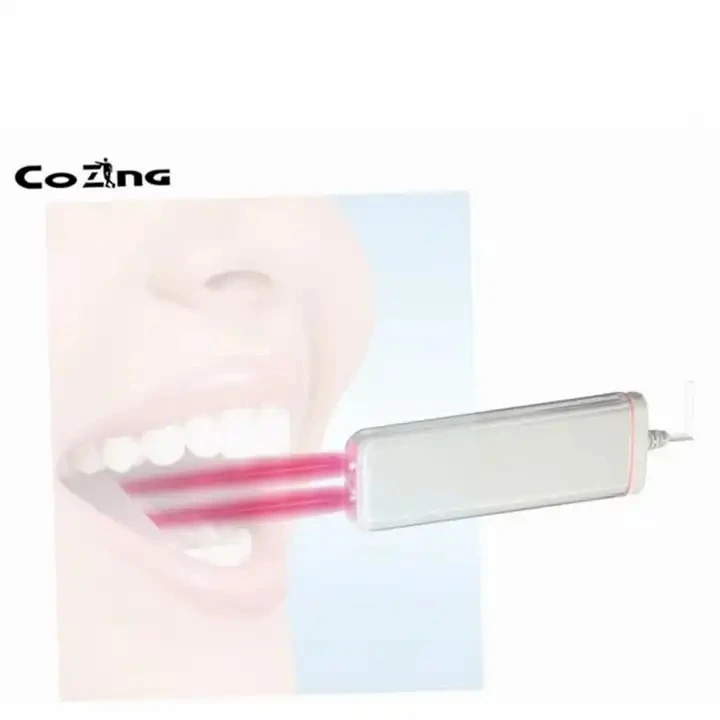
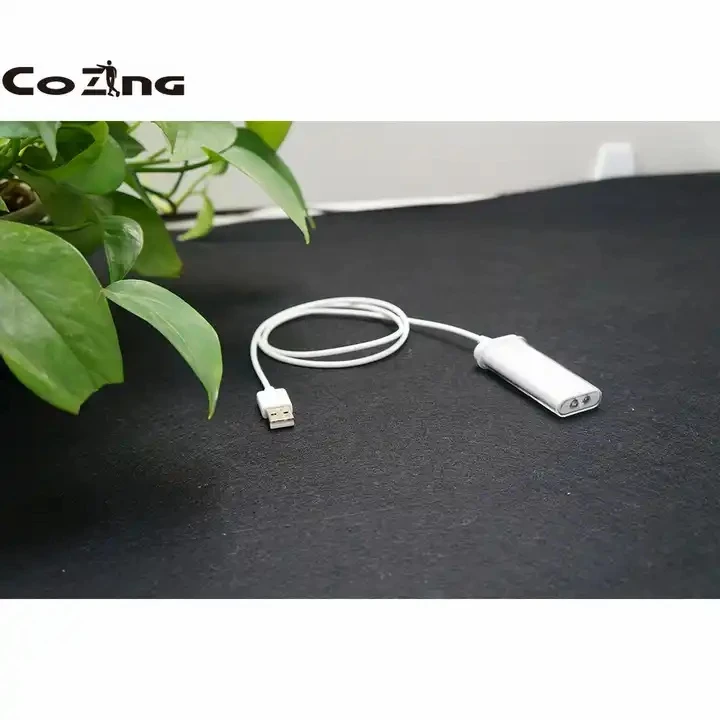
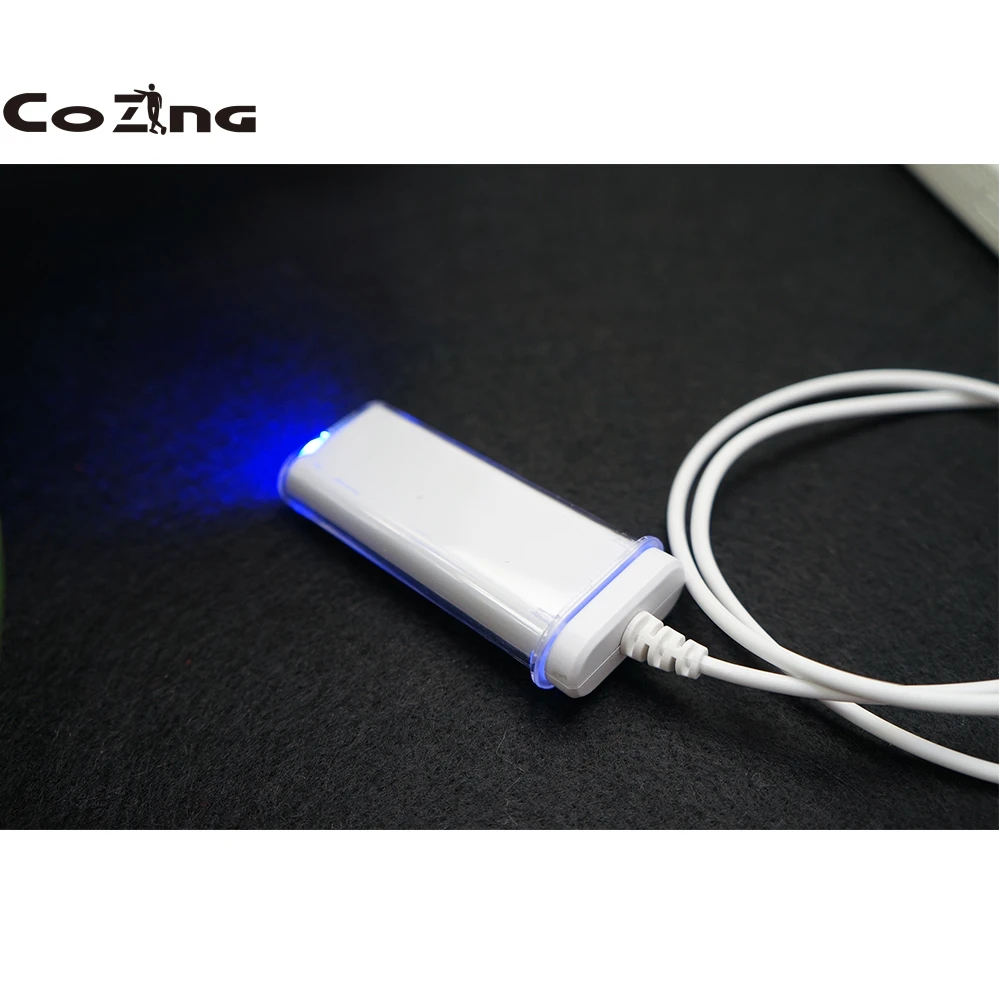
What’s the technical parameter of the Oral light therapy?
|
Brand |
COZING |
|
Model |
COZING-USBO |
|
energy source |
electricity |
|
Material |
plastic, tooth model |
|
Shelf life |
2 years |
|
Quality Certification |
CE |
|
Instrument classification |
Class I |
|
Product Specifications |
3200 mW |
|
Wavelength |
650nm laser therapy device |
What are the advantages of Oral light therapy?
①Patients usually experience less pain when using dental lasers for surgery
②Dental laser treatment often reduces bleeding
③Dental lasers are less likely to cause swelling than traditional tools
④Lasers enable dentists to work more precisely
⑤When using dental laser, the recovery period is usually shorter
⑥Laser treatment is usually less invasive than using traditional tools
How does Dental laser treatment for the elderly work?
①Absorption effect, when the tissue absorbs the laser, corresponding tissue changes will occur. The therapeutic effect of laser on diseased tissue is mainly the result of absorption effect.
② Penetration effect. When the laser irradiates the tissue, part of the laser will penetrate part of the tissue. The therapeutic effect of this part of the laser is very limited.
③Reflection effect, any laser will have part of the laser reflected back after irradiating the tissue. This effect can have some side effects. For example, the reflected laser light will be reflected into the eyes and cause irritation to the eyes. Therefore, laser operators must wear protective glasses.
How dental lasers are changing the way dentists treat gum disease
Clinical:
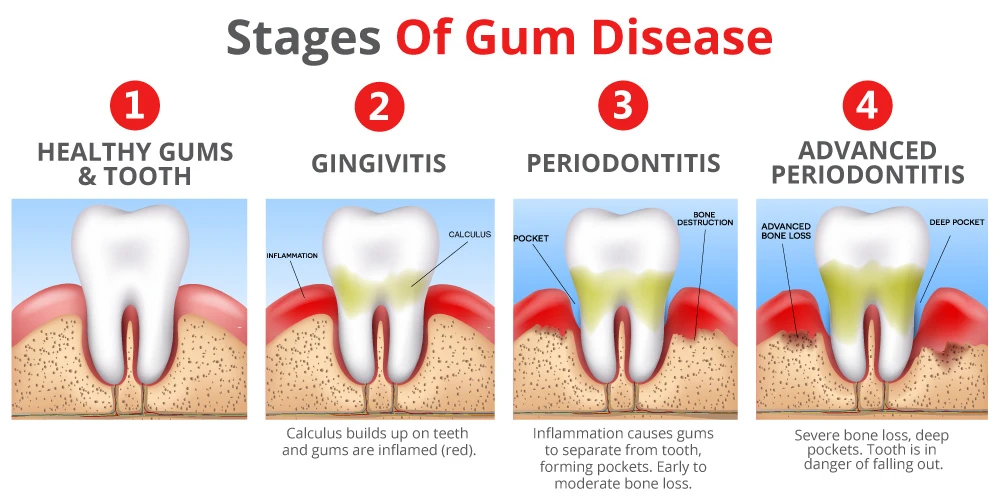
Gum disease is one of the most common Oral problems that destroys the structure that holds teeth in place. The advanced stages, called periodontal disease, require rapid treatment to prevent it from permanently damaging the teeth and their structure.
Periodontal disease is caused by bacteria beneath the gums. Popular treatments include flap surgery, scaling and root planing. The former involves pulling back the gums so that the roots and gum pockets can be cleaned. Although anesthetics are used to prevent patients from feeling pain during surgery, most people experience discomfort for several weeks after surgery.
Lasers allow dentists to clean and disinfect tooth roots and gum pockets without having to pull the patient’s gums back. This results in a significantly more pleasant experience for patients.
Specific technologies for laser dental applications
- Laser tooth repair technology
- Laser can repair and beautify dental tissue through its selective absorption properties. For example, lasers create tiny holes on the tooth surface to facilitate the penetration and bonding of dental cosmetic materials.
- Laser gum treatment technology
- Lasers can be used to treat gum disease. For example, laser can remove plaque and necrotic tissue in periodontal pockets and promote the healing of periodontal tissue.
- Laser Oral surgery technology
- Lasers can be used to perform Oral surgery. For example, lasers can be used to cut tissue, stop bleeding, disinfect and decontaminate surgical areas.
- Laser dental diagnostic technology
- Lasers can diagnose lesions in Oral tissues by measuring the reflection and scattering of light. For example, lasers can be used to detect dental caries and lesions in the Oral mucosa.
Development prospects of laser dental applications
Laser dental applications have been widely used and developed in the field of Oral medicine. With the continuous innovation and improvement of laser technology, the application prospects of laser application in the dental field are very broad. In the future, laser technology will further improve the effect and quality of Oral treatment and provide more choices and possibilities for the diagnosis and treatment of Oral diseases.
FAQ