
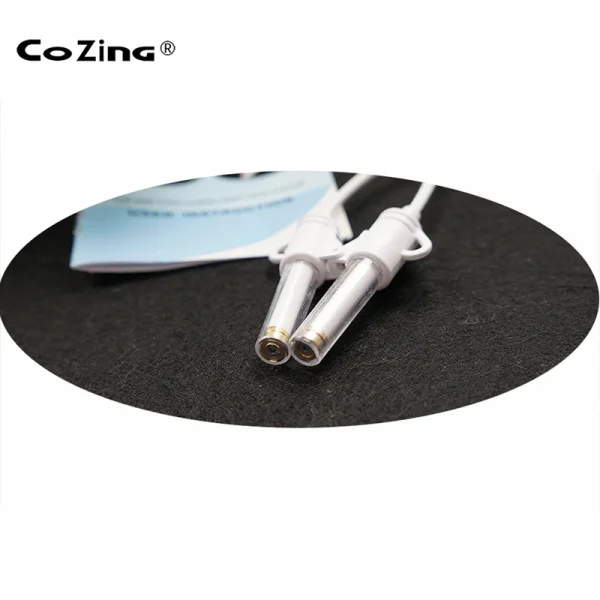
What are the indications of COZING-USBN2 low level red light therapy?
- Cerebrovascular Accident (Cva)
- Cerebral Blood Flow And Cerebral Oxygen Supply
- Damage Of Brain Tissu
- Occlusive Cerebrovascular Disease
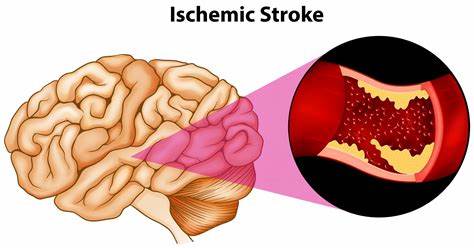
What’s the technical parameter of the COZING-USBN2 low level red light therapy?
|
Model Number |
COZING-USBN2 |
|
Treatment Method: |
Nasal low light laser therapy |
|
Laser wavelength: |
810nm laser therapy apparatus |
|
Laser Penetration: |
5-7cm |
|
Product Package Dimension: |
15*15*10cm |
|
Design |
humanized |
|
Power supply |
power bank, computer, phone charger, etc. |
What are the advantages of COZING-USBN2 low level red light therapy?
Boasts a USB interface, allowing it to operate independently without the need for connection to the main unit. Additionally, it can interface with a computer, power bank, or adapter for operation.
COZING-USBN2 can reduce the use of drugs and reduce the side effects caused by physical contact with drugs.
Its user-friendly operation ensures ease of use.
Its compact and lightweight design enhances portability.
Simply plug it in, and the laser output will commence automatically.
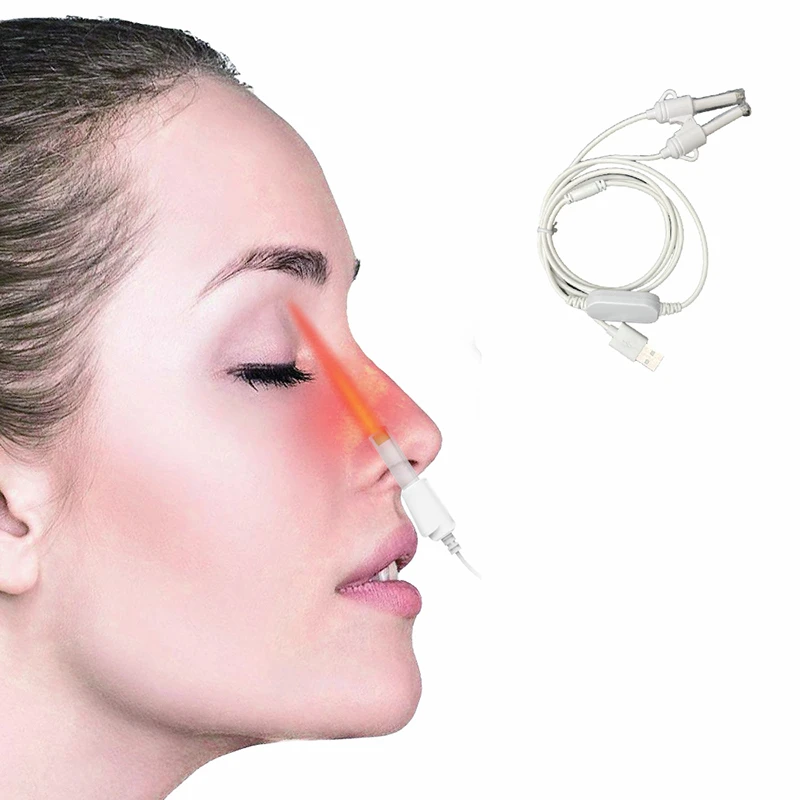
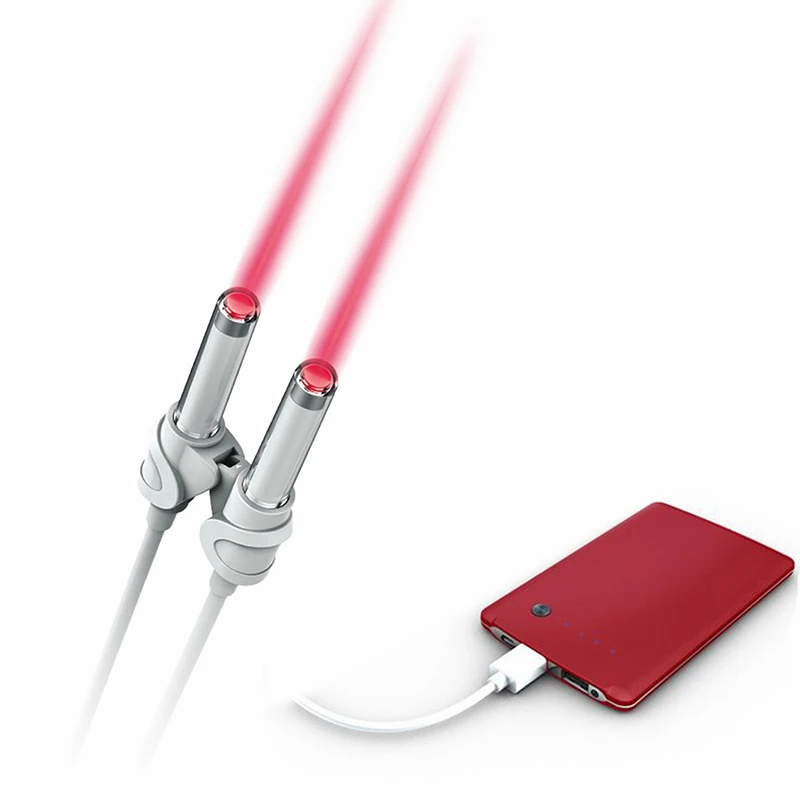
COZING-USBN2 low level red light therapy Display:
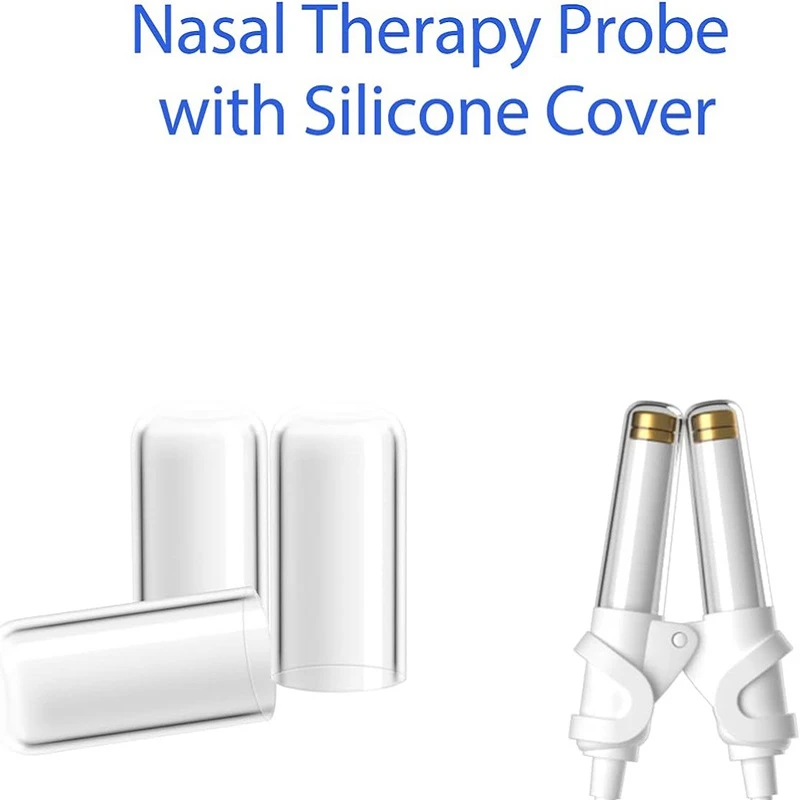
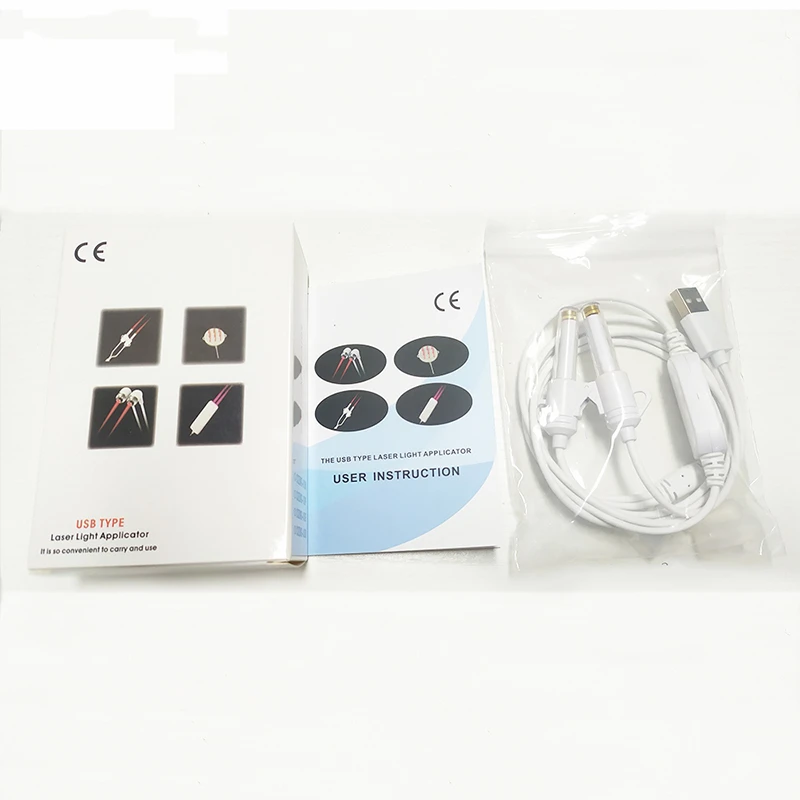
How does COZING-USBN2 low level red light therapy work?
The Near Infrared low light laser wavelengths are often preferred for deeper tissue treatments like targeting the brain.
Most prominently is that 810nm is the preferred wavelength for transcranial Photobiomodulation (targeting the brain through the head) due to it’s promise of having the deepest penetration, as one review article for tPBM had this to say:
“When we investigated the wavelength selection for transcranial LLLT in SCI-indexed articles and other published reports, we found that the most frequently used and concerned wavelength was 810 nm .”
Another 2023 review article on transcranial photobiomodulation had this to say about a common successful dosing protocol for the brain.
“One of the most common protocols for clinical populations employed devices delivering near-infrared light (810 nm), the irradiance of 20-25 mW/cm2, and fluence of 1-10 J/cm2.”
These quotes confirm a tradeoff that while 810nm promises the best penetration making it preffered for transcranial targets, which are very important for brain benefits.
COZING-USBN2 low level red light therapy Clinical study:
Background and Purpose:The hypothesis was that transcranial laser therapy (TLT) using near-infrared laser technology could effectively treat acute ischemic stroke. The NeuroThera Effectiveness and Safety Trial-2 (NEST-2) aimed to evaluate the safety and efficacy of TLT in this context.
Methods:This study was a double-blind, randomized trial comparing TLT treatment to a sham control. Patients who received tissue plasminogen activator or had evidence of hemorrhagic infarct were excluded. The primary efficacy endpoint was achieving a favorable score of 0 to 2 on the modified Rankin Scale at 90 days. Additional endpoints included overall shift in the modified Rankin Scale and changes in the National Institutes of Health Stroke Scale (NIHSS) score over 90 days.
Results: A total of 660 patients were randomized, with 331 receiving TLT and 327 receiving the sham treatment. In the TLT group, 120 patients (36.3%) achieved a favorable outcome compared to 101 patients (30.9%) in the sham group (P=0.094), resulting in an odds ratio of 1.38 (95% CI, 0.95 to 2.00). Similar results were observed for the other outcome measures. Although no prespecified tests reached statistical significance, a post hoc analysis of patients with a baseline NIHSS score of less than 16 showed a favorable outcome at 90 days on the primary endpoint (P<0.044). Mortality rates (17.5% for TLT vs. 17.4% for sham) and serious adverse events (37.8% for TLT vs. 41.8% for sham) were comparable between the groups.
Conclusions:TLT within 24 hours of stroke onset was safe but did not achieve formal statistical significance for efficacy. Nonetheless, all predefined analyses indicated a favorable trend, consistent with results from the previous NEST-1 trial. Both studies suggest that TLT does not adversely affect mortality or adverse event rates. A definitive trial with refined baseline NIHSS exclusion criteria is planned.
FAQ