
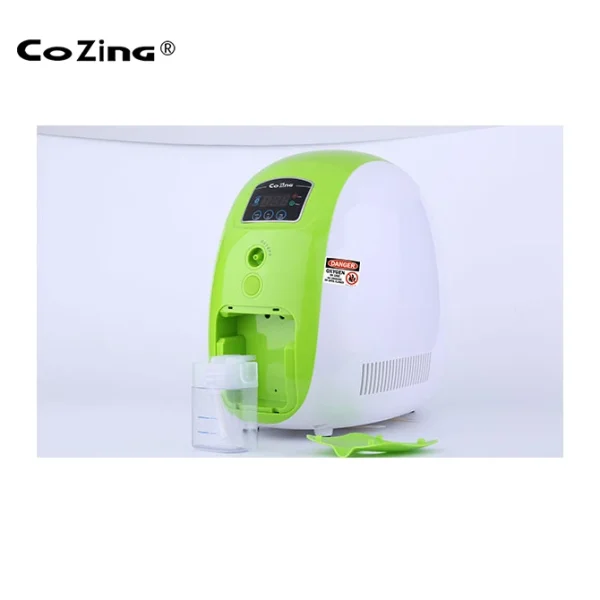
What are the indications of portable oxygen for personal use?
- Helping to supplement the oxygen needed by the body
- Improve symptoms of hypoxia, such as shortness of breath, fatigue, dizziness
- Effective for people with respiratory diseases or cardiovascular diseases
- Increase the delivery of oxygen to various organs and tissues of the body, promote metabolism, improve immunity, and speed up the recovery proces
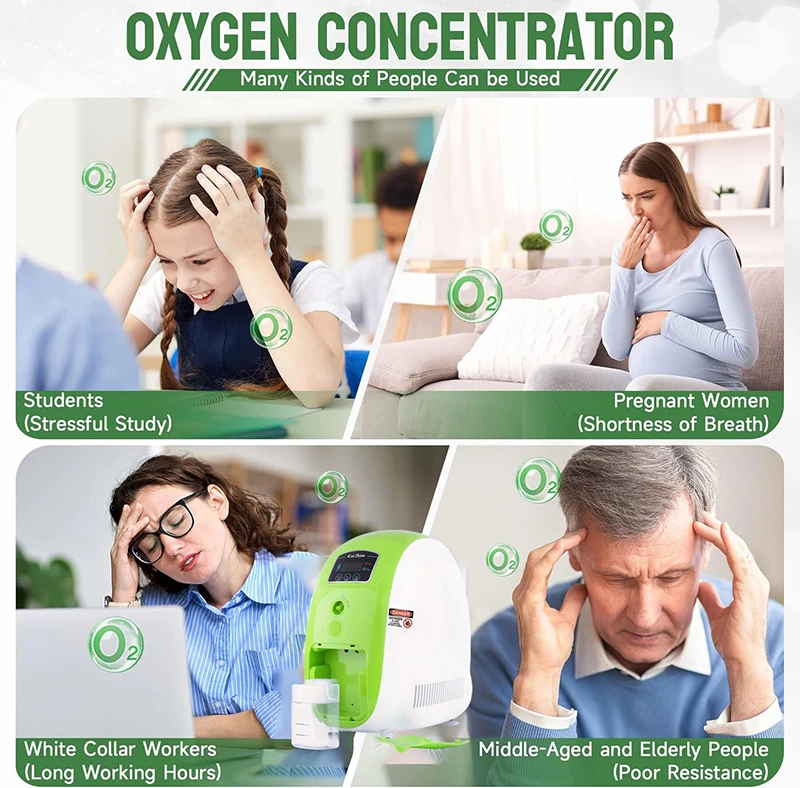
What’s the technical parameter of the COZING-OX01 portable oxygen for personal use?
|
Name |
oxygen concentrator for home for Travel, Health Help |
|
Voltage/Frequency |
220V±22V, 50Hz±Hz, 110V, 60Hz |
|
Power |
110W |
|
G.W |
6.5kg |
|
Oxygen flow rate |
1-5L/Min can be adjusted |
|
Oxygen concent |
>94% (under 1L oxygen flow rate) |
|
Noise |
≤45dB |
|
Dimension |
358mm(L)*321mm(W)*231mm(H) |
|
Oxygen generat method |
PSA |
|
Storage conditions |
Temperature-40°C-55°C, humidity<80% |
|
Oxygen density |
> 90% |
|
Atmospheric pressure |
50kPa-106kPa |
|
Oxygen purity |
Range from 30%-90% |
What are the advantages of COZING-OX01 portable oxygen for personal use?
1.simply to operate the procedure, according to your own conditions.
2.Low noise, mute motor, physical oxygen generation.
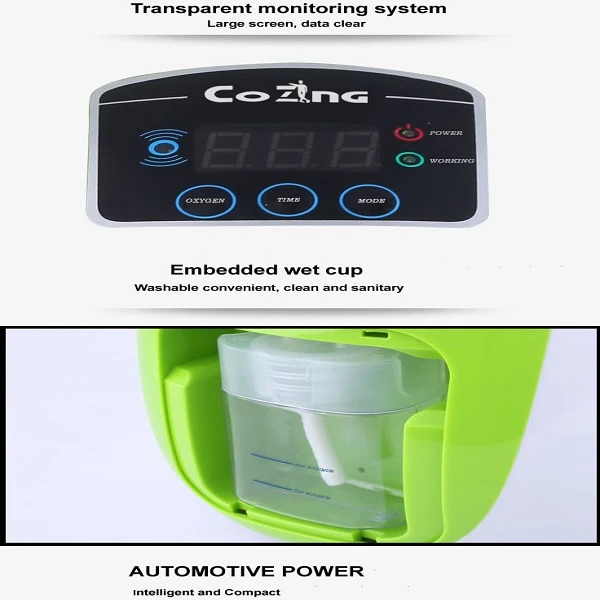
3.This product is easy to operate, lightweight and portable.with a large clear display screen,Easy to read 4.even for the elderly with poor eyesight.
5.Humanized design,cost effective .
6.Chargeable battery and charger, suitable for traveling and household use.
7.CE Certification, ISO9001 Quality Certification
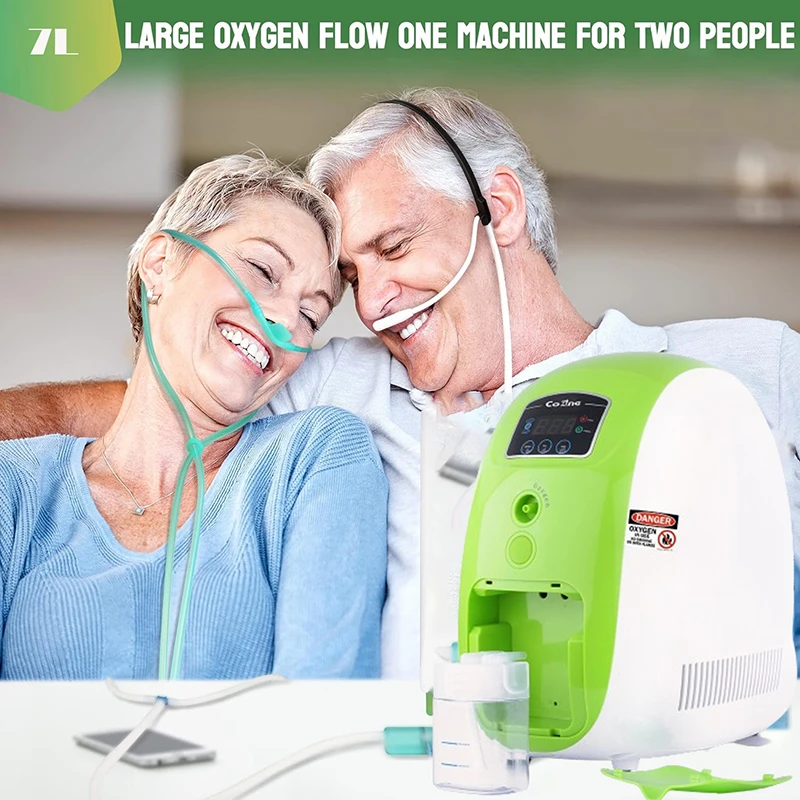
How does COZING-OX01 portable oxygen for personal use work?
Think of an oxygen concentrator for home as a window air conditioner – it takes air in, changes it, and delivers it in a different form. The oxygen concentrator takes air in and purifies it for use by individuals who require medical oxygen because of low levels of oxygen in their blood.
It works by:
Compressing air as the cooling mechanism keeps the concentrator from becoming overheated
Taking air in from its surroundings
Using an electronic interface to adjust delivery settings
Removing nitrogen from the air through sieve beds and a filter
Delivering purified oxygen through nasal cannula
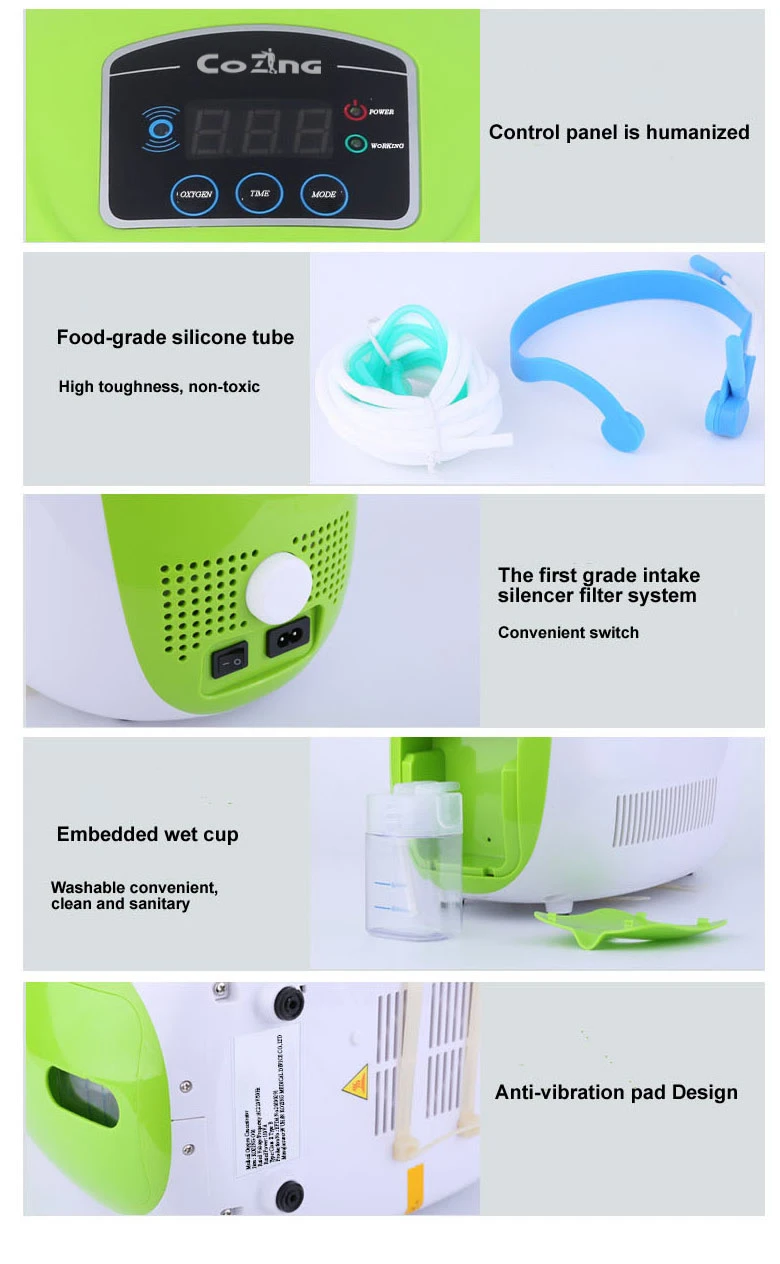
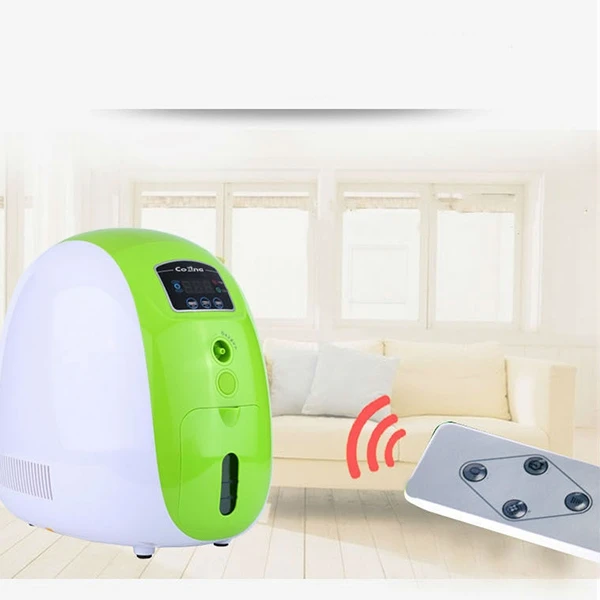
COZING-OX01 portable oxygen for personal use Display:
COZING-OX01 portable oxygen for personal use Clinical study:
Portable liquid oxygen is an option and might offer benefits over gas cylinders.
METHODS: A study compared the use and acceptance of liquid versus gaseous oxygen in 15 patients with chronic lung disease, all of whom had at least a 10% improvement in exercise tolerance and breathlessness with standard portable oxygen. Both types of portable oxygen were provided in a random sequence for two periods of eight weeks each. Assessments included six-minute walk tests, lung function tests, chronic respiratory disease index questionnaires, and diary entries. RESULTS: The distance walked was not significantly influenced by the equipment’s weight for either system. Patients used liquid oxygen significantly more (23.5 hours per week) compared to gas cylinders (10 hours per week). When using liquid oxygen, patients spent an average of 19.5 hours per week outside their homes, versus 15.5 hours per week with gaseous oxygen. Liquid oxygen was preferred due to its longer duration, easier filling process, and lighter canister.
CONCLUSIONS: Portable liquid oxygen may be beneficial for certain patients with chronic lung disease.
FAQ