
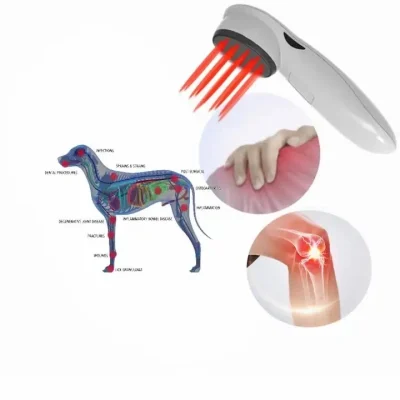
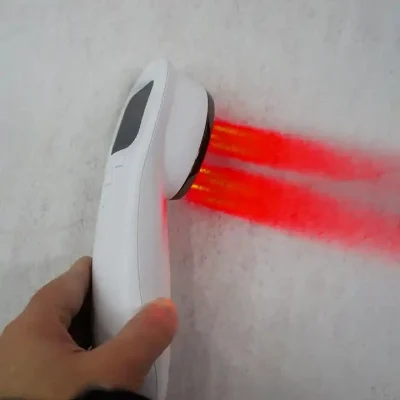
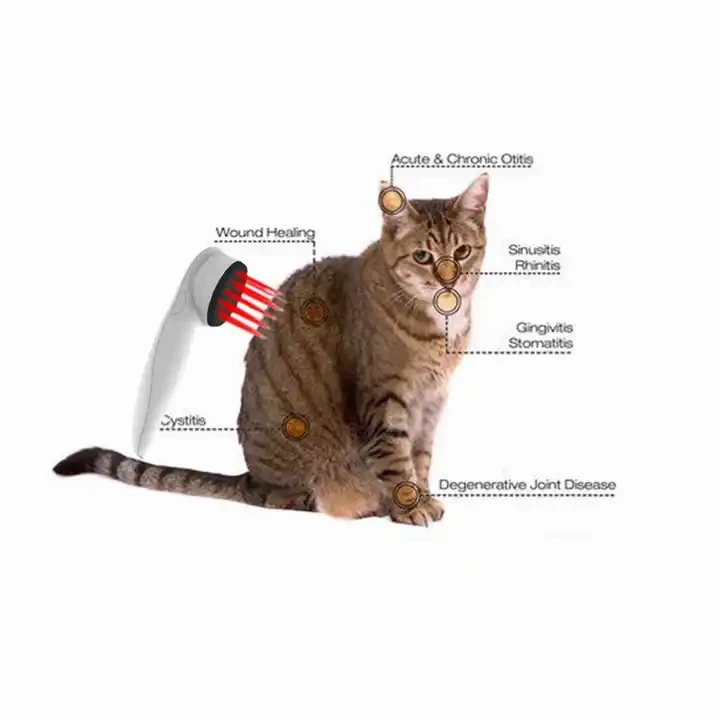
What’s the indications of the cat laser therapy?
- Healing of a wound promotion
- Postoperative measures
- Pain therapy, acupuncture
- Hotspot treatment
- Arthrose
- Strengthening of weak ear cartilages
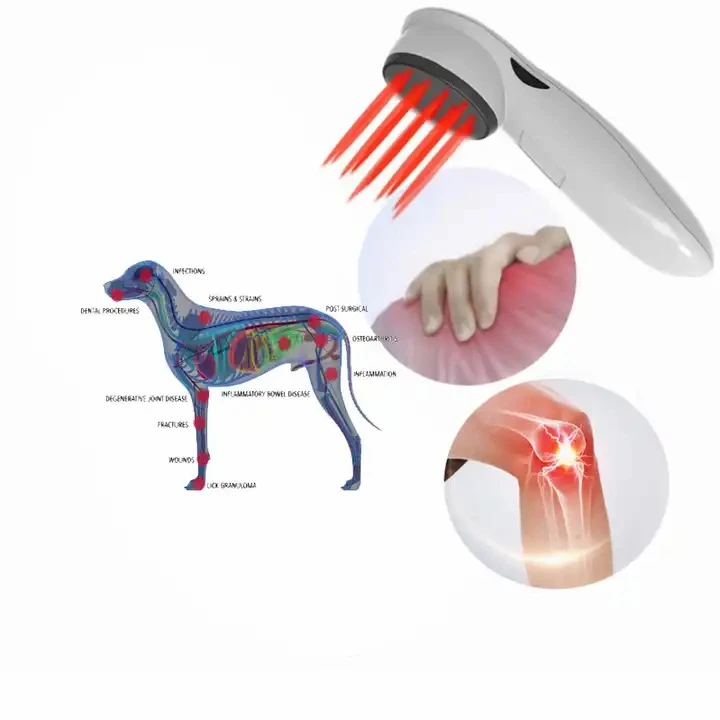
What’s the technical parameter of the cat laser therapy?
|
Technical Specification |
|
|
Battery capacity |
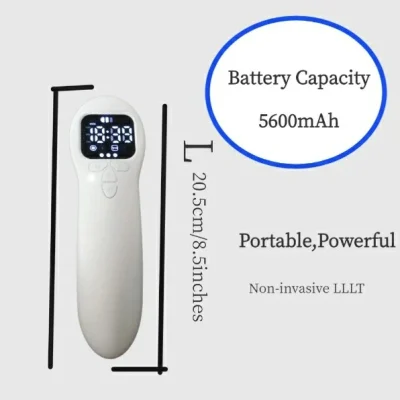
built-in lithium battery 5600mAh |
|
Laser wavelength |
808nm±20nm and 650nm±20nm |
|
Terminal laser output |
3 laser beams with 808nm, 150mw each laser beam, invisible output 14 laser beams with 650nm, 5mW each laser beam, visible output |
|
Customized |
can be customized as the LED light therapy or the comb, the different wavelength and power intensity is accepted, if you have the customized requirements, pls contact us directly. |
|
Case Material |
ABS |
|
Lens Material |
tempered glass |
|
Working mode |
Pulse and continuous mode adjusted by self |
|
Time setting |
15-60 minutes, 10 grades adjustable, each grade increase 5 minutes ( 15mins, 20mins, 25mins, …, 50mins, 55mins, 60mins ) |
|
Output power |
170mW, 340mW, 510mW optional |
what is cat laser therapy working Principle?
①COZING-T03 uses laser irradiation to focus on nerve roots, nerve trunks, ganglia and local pain points to emit light. It sends light energy to deep tissues and is absorbed by cell mitochondria, triggering chemical changes in “photobioregulation” and stimulating the production of ATP in cells. .
②ATP is the fuel or energy required for cell repair and regeneration (damaged or injured cells cannot
to produce this fuel at an optimal rate). Increased ATP production will activate healthier cells
and tissues, regulating the stability of the internal environment and bringing each system to normal physiological balance.
③Vertical laser irradiation can expand capillaries, enhance permeability, and promote the absorption of inflammatory exudates. It can improve the phagocytic function of white blood cells, affect the active enzymes of white blood cells and regulate the body’s immune function, thereby achieving the purpose of resisting disease, reducing inflammation and swelling, and accelerating the tissue repair process.
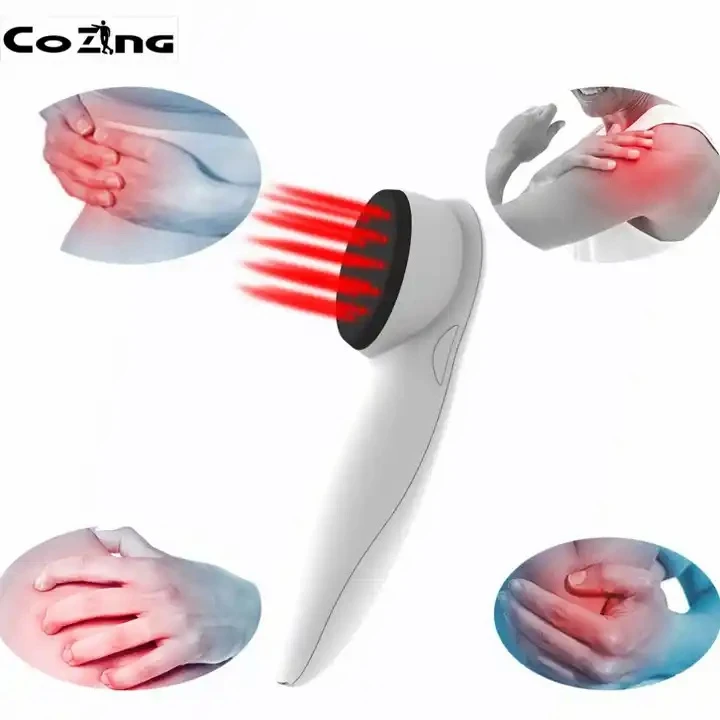
What is the advantages of the COZING-T03?
①No pain
② Sterile
③Non Invasion
④ Safe and easy to operate
⑤ Widely used
clinical:
Photobiomodulation therapy, as a primary or auxiliary treatment modality, has excellent therapeutic effects in clinical diseases of cats. In combination with other treatment methods, it can directly treat some relatively complex diseases. PBM can activate the body’s immune response, enhance the body’s resistance to bacteria, fungi, and viruses, and also reduce the cat’s pain response.
Inflammatory bowel disease (IBD) is a common chronic gastrointestinal disease of unknown cause and unclear pathogenesis.
a. Diagnosis:
The diagnosis of IBD is relatively difficult, and other diseases that cause chronic gastrointestinal symptoms generally need to be ruled out.
① Clinical manifestations: Most cats with IBD will experience chronic vomiting (vomiting hair balls), weight loss, diarrhea or other systemic symptoms.
② Abdominal ultrasound: Thickening of the intestinal wall (>0.28cm) and sometimes enlarged mesenteric lymph nodes may be seen, suggesting intestinal disease.
③ Histopathological examination: The gold standard for IBD diagnosis is laparotomy and multiple (3 or more) intestinal wall tissue biopsies. The histopathological examination of the intestinal wall of IBD cats shows enteritis. At this time, it is necessary to exclude other causes of gastrointestinal symptoms (food intolerance, gastrointestinal disorders, parasites, cobalamin deficiency, etc.) through therapeutic diagnosis. Biopsy and histopathology can effectively distinguish intestinal tumors and intestinal inflammation, which is the key to subsequent treatment. Because enteritis can be treated with laser, tumors are generally not suitable for laser treatment.
b. Laser treatment:
In the treatment of feline IBD, laser is often used as a complementary treatment because laser can effectively slow down the body’s inflammatory response to promote recovery and help restore normal intestinal function. Studies have shown that laser treatment of IBD cats can significantly improve the cat’s appetite, reduce vomiting, relieve pain and gastrointestinal discomfort, improve the cat’s quality of life, and help it recover from health. However, for a small number of IBD cats (histopathological results suggest enteritis and exclude other gastrointestinal diseases), the effect of adding laser therapy to conventional treatment (without long-term continuous laser therapy) is not satisfactory. Although the clinical effect of laser treatment is not satisfactory, it has only been seen in a few cases, and no adverse reactions have been found in laser treatment. Therefore, it is still recommended to use laser to treat feline IBD.
How to use?
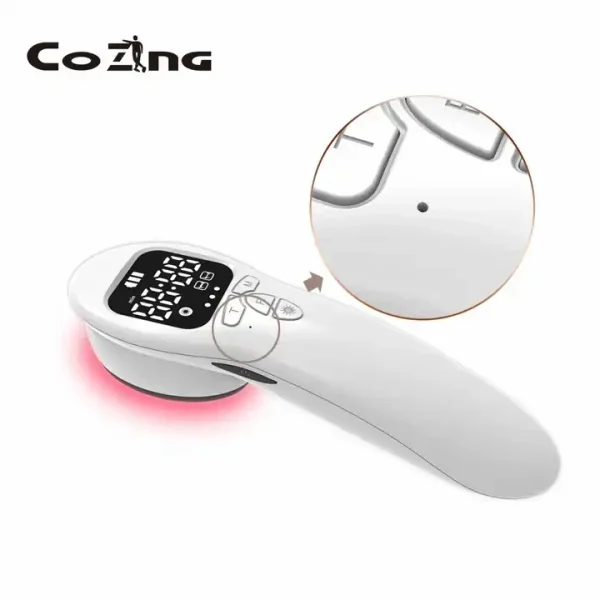
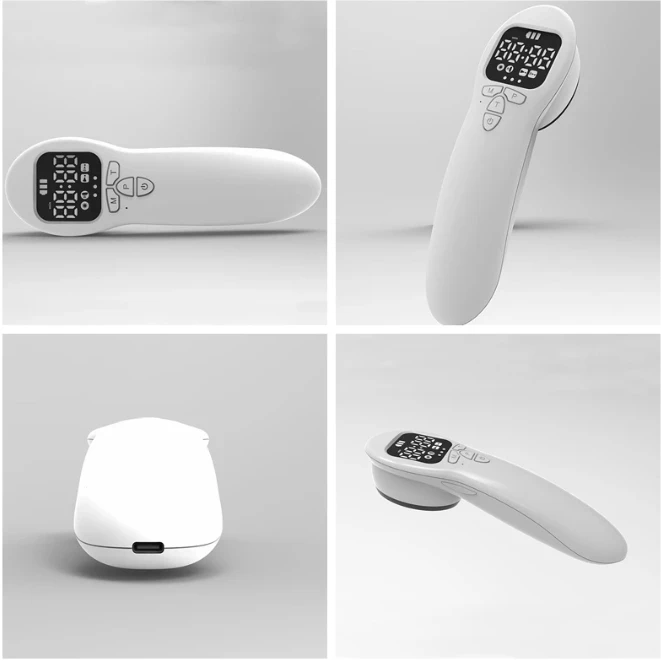
①Press the power button to turn on the computer
②Press the P key to adjust the power intensity
③Press the M button to select mode
④Press “Treatment Start” with one hand
Product Display:
FAQ