
What are the indications of laser therapy for alzheimer’s disease ?
- Memory Loss
- Challenges in completing routine tasks at home or work
- Difficulty in reading, writing, and understanding language
- Getting lost in familiar surroundings
- Difficulty making decisions or solving problems
- Withdrawal from social interactions and engagements.
What’s the technical parameter of the laser therapy for alzheimer’s disease?
|
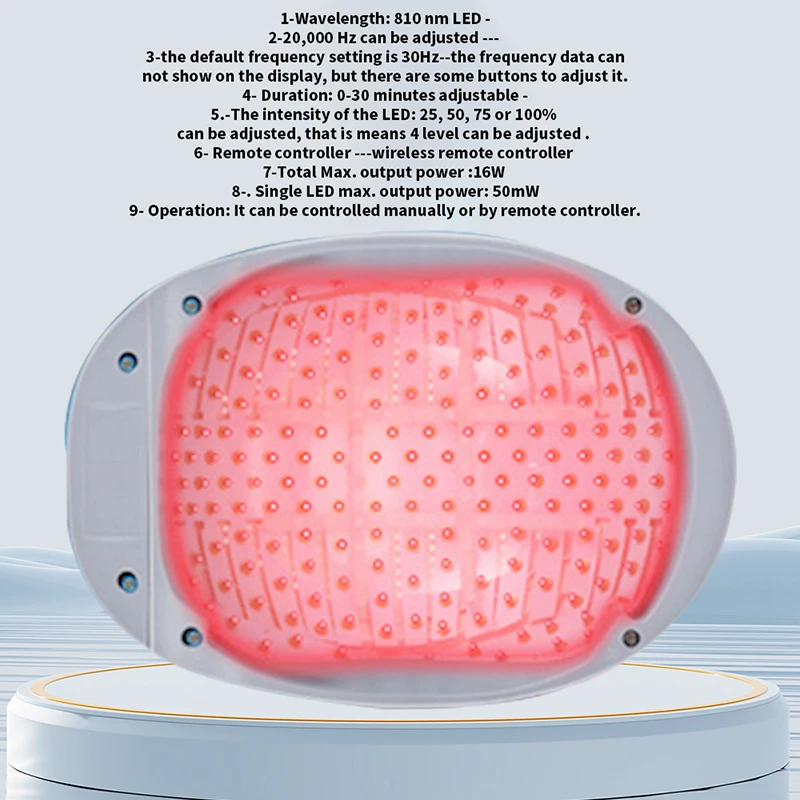
Number of diodes: |
320 diodes [ODM is acceptable] |
|
Wavelength: |
810nm LED [ODM is acceptable] |
|
Frequency: |
1-20,000 Hz can be adjusted |
|
The default frequency setting: |
30Hz–The frequency data is not displayed, but there are buttons available to adjust it. |
|
Duration: |
0-30 minutes adjustable |
|
The intensity of the LED: |
25, 50, 75 or 100% can be adjusted, that is means 4 level can be adjusted |
|
Remote controller: |
wireless remote controller |
|
Total Max. output power : |
16W |
|
Single LED max. output power: |
50mW |
|
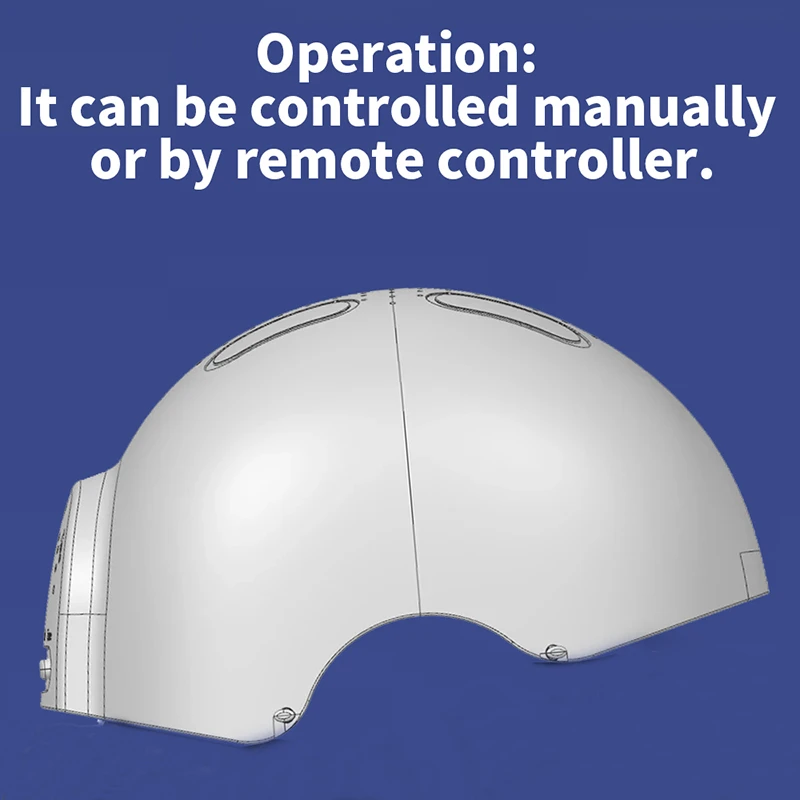
Operation: |
It can be controlled manually or by remote controller |
What are the advantages of laser therapy for alzheimer’s disease?
1,The 810nm wavelength can penetrate the skull to reach the brain, aiding in the recovery from traumatic brain injuries and mitigating long-term nerve damage.
2,The 810nm wavelength is effective in alleviating symptoms of severe depression and anxiety.
3,Near-infrared (NIR) light is absorbed by cytochrome C oxidase within the mitochondria.
4,Enhanced blood flow, increased energy levels, neuroprotection, and reduced inflammation.
5,Effective in treating strokes, traumatic injuries, neurodegenerative disorders, and psychiatric conditions.
6,Superior quality at a significantly better price.
7,User-friendly, ideal for both home and clinical settings.
8,Free treatment protocols provided.
9,Top-notch after-sales service.
10,Brain Division: 12 regions, each with adjustable power intensity, frequency, and time.
11. Additional Applicators: Includes nasal and ear laser applicators, controlled by remote, enhancing treatment efficiency.
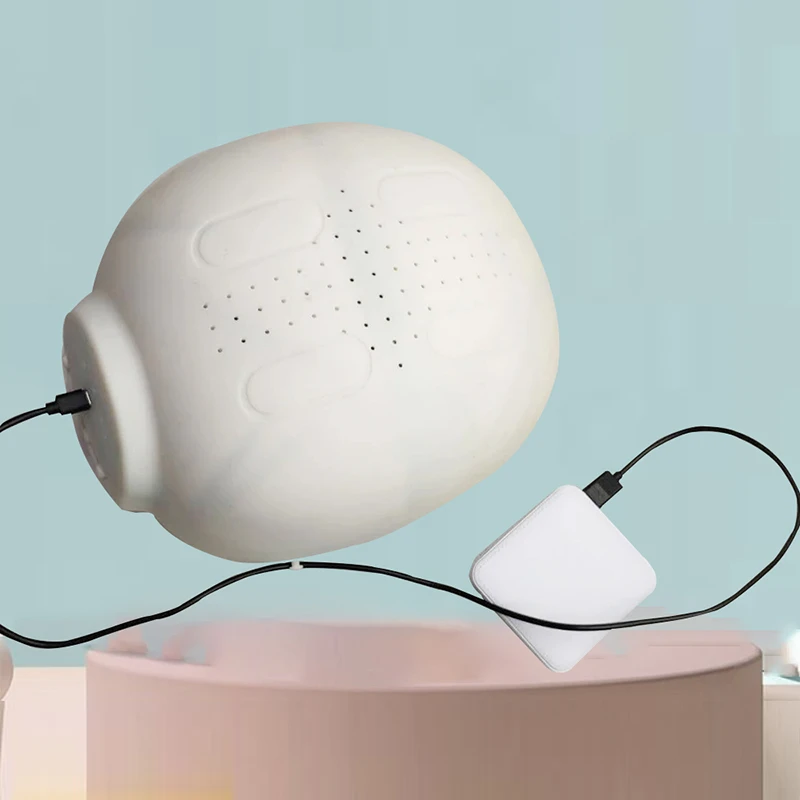
laser therapy for alzheimer’s disease Display:
How does laser therapy for alzheimer’s disease work?
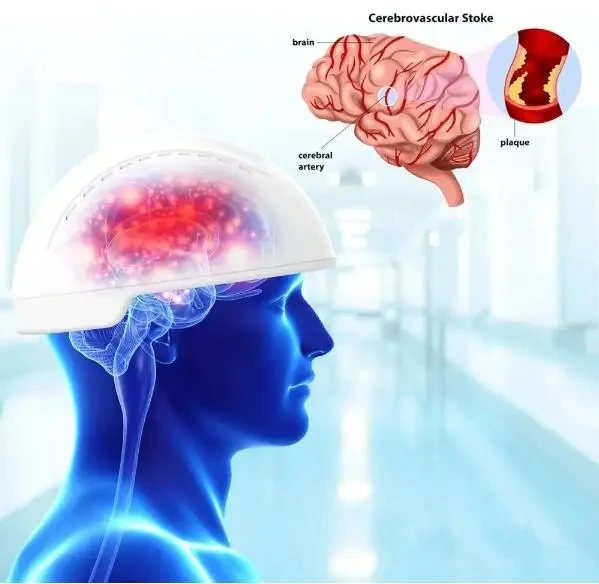
PBM laser therapy is assumed to treat AD mainly by improving the activity of neurons, rebuilding the damaged neuron network and stimulating the production of more synapses. The cytochrome C oxidase (CCO) in the mitochondria of neurons is involved in the PBM process as a photoacceptor, stimulation of which causes the mitochondria to produce more adenosine triphosphate (ATP) . Moreover, the microglia and astrocytes distributed throughout the CNS are also simultaneously stimulated by PBM. The microglia are involved in the occurrence of a series of neurodegenerative diseases as a kind of immune response cells. Consequently, microglia activation and related neuroinflammation are the main characteristics of neuropathology. Microglia, being activated by light with different light parameters, can react differently to brain inflammation, producing different immune responses that result in pro- or anti-inflammatory effects.
Laser therapy for alzheimer’s disease Clinical study:
Emerging Insights on Light Therapy for Alzheimer’s Disease
Recent studies indicate that exposure to light flickering at 40 Hz can enhance gamma brain wave activity through photic entrainment. This is significant because the suprachiasmatic nucleus, which regulates the light-dark cycle, is crucial for controlling the circadian clearance of amyloid-beta (Aβ) from the brain to the liver in both Alzheimer’s disease (AD) model mice and humans. Consequently, this mechanism suggests that red light (RL) or near-infrared light (NIL) can help break down Aβ in vivo, speeding up its clearance from the brain to the liver.
Mechanisms of Action
Age-related formaldehyde (FA) metabolism disorders and Aβ-inhibited formaldehyde dehydrogenase (FDH) lead to the accumulation of endogenous FA in the brain. Excessive FA facilitates the crosslinking of Aβ monomers into oligomers and hyperphosphorylation of tau proteins, forming neurofibrillary tangles (NFTs) in the cytoplasm and senile plaques (SPs) in the extracellular space. FA also induces reactive oxygen species (ROS) generation, and hydrogen peroxide (H2O2) promotes Aβ aggregation. Additionally, FA-inhibited cytochrome-c reduces ATP generation in mitochondria. Photobiomodulation (PBM) alleviates Aβ neurotoxicity by reducing Aβ assembly both intracellularly and extracellularly, activating FDH, catalase (CAT), and cytochrome-c (Cyt-c). PBM also lowers inflammation and oxidative stress levels, boosts neurogenesis and synaptogenesis, enhances mitochondrial activity and ATP production, and increases blood flow, all of which contribute to AD treatment.
Safety and Efficacy of Low-Level Laser Therapy
Low-level laser therapy (LLLT) is neither carcinogenic nor teratogenic to animal tissues. It modulates cellular functions, improves cell survival, and promotes neural stem cell proliferation through various molecular signaling pathways, thereby mitigating the pathological features of AD in model mice. Early clinical trials suggest that LLLT, as a noninvasive adjunctive treatment, holds promise for AD patients. Furthermore, the thermal effects of laser light might be optimized by adjusting pulse frequency, duty cycle, and light intensity.
Conclusion
These findings support the potential of light therapy in managing Alzheimer’s disease. By promoting gamma wave activity, facilitating Aβ clearance, and mitigating neurotoxic effects, PBM and LLLT offer promising avenues for AD treatment. Continued research and clinical trials will be crucial in establishing these therapies as standard practices for AD management.
FAQ